22 Dining Tables for Small Spaces (Host More Guests)
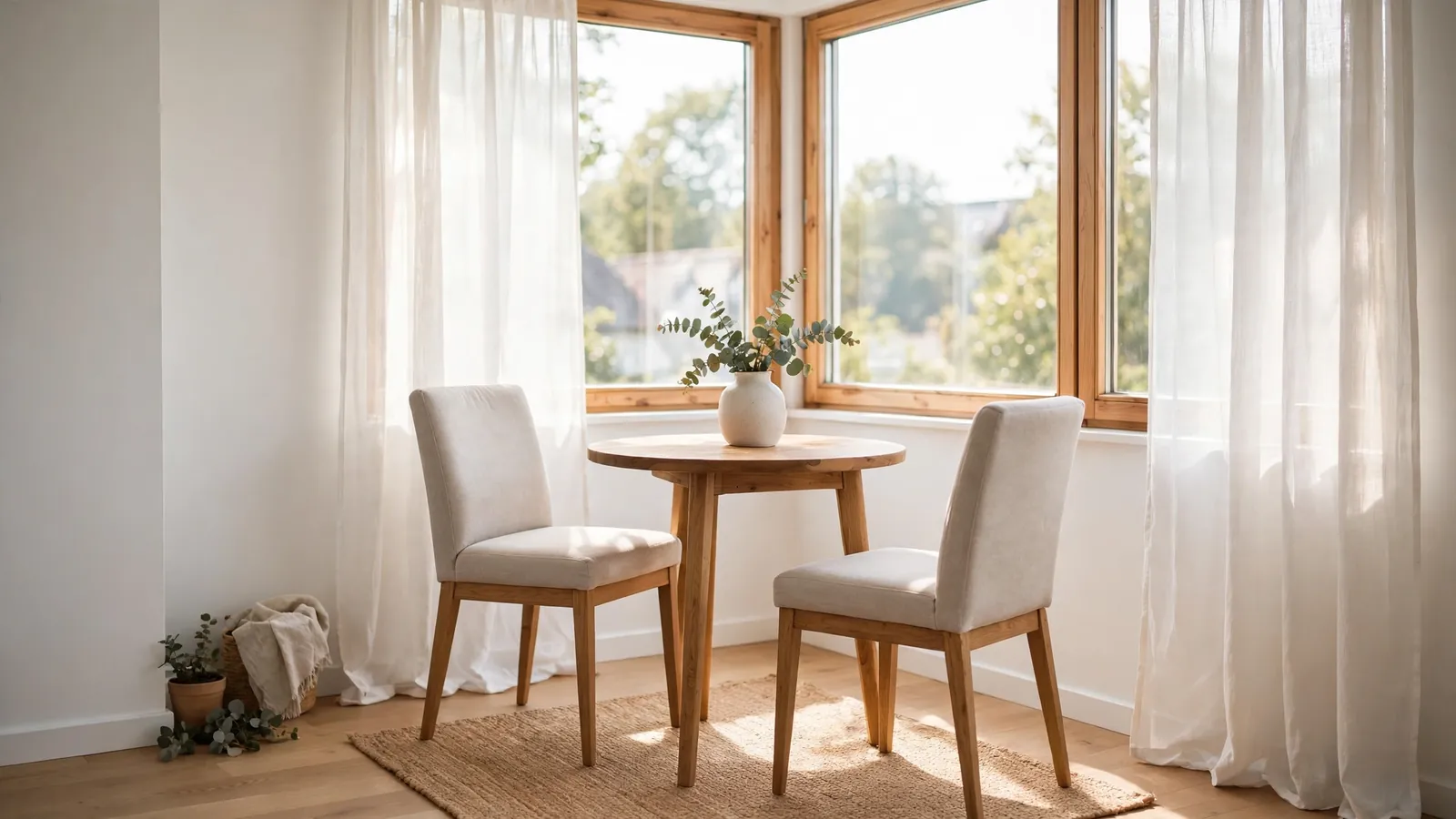
Dining tables for small spaces can host a holiday dinner and still fit a Tuesday breakfast. Most of them quietly break that promise. The difference between the tables that work and the ones that gather dust is rarely the style. It is the mechanism, the base, and the inches you give it.
Measure wrong and even a 30-inch round feels enormous. Below are 22 dining tables for small spaces picked for tight kitchens, studios, and narrow dining corners. Each entry notes the room it needs and the trick that makes it fit.
You will also find a sizing cheat sheet. It compares extension mechanisms side by side, with the clearance numbers worth memorizing. Pick your layout first. Then pick your table.
The 30-Inch Round Pedestal Table
A 30-inch round is the smallest table that still feels like a dining table rather than a side table. It seats two people comfortably for daily meals and gives each diner a full place setting without elbow fights. The pedestal base is the whole trick here. One central column means no legs to dodge, so chairs slide in close and knees stay clear. Push it into a bay window or a kitchen corner and it claims almost no visual weight.
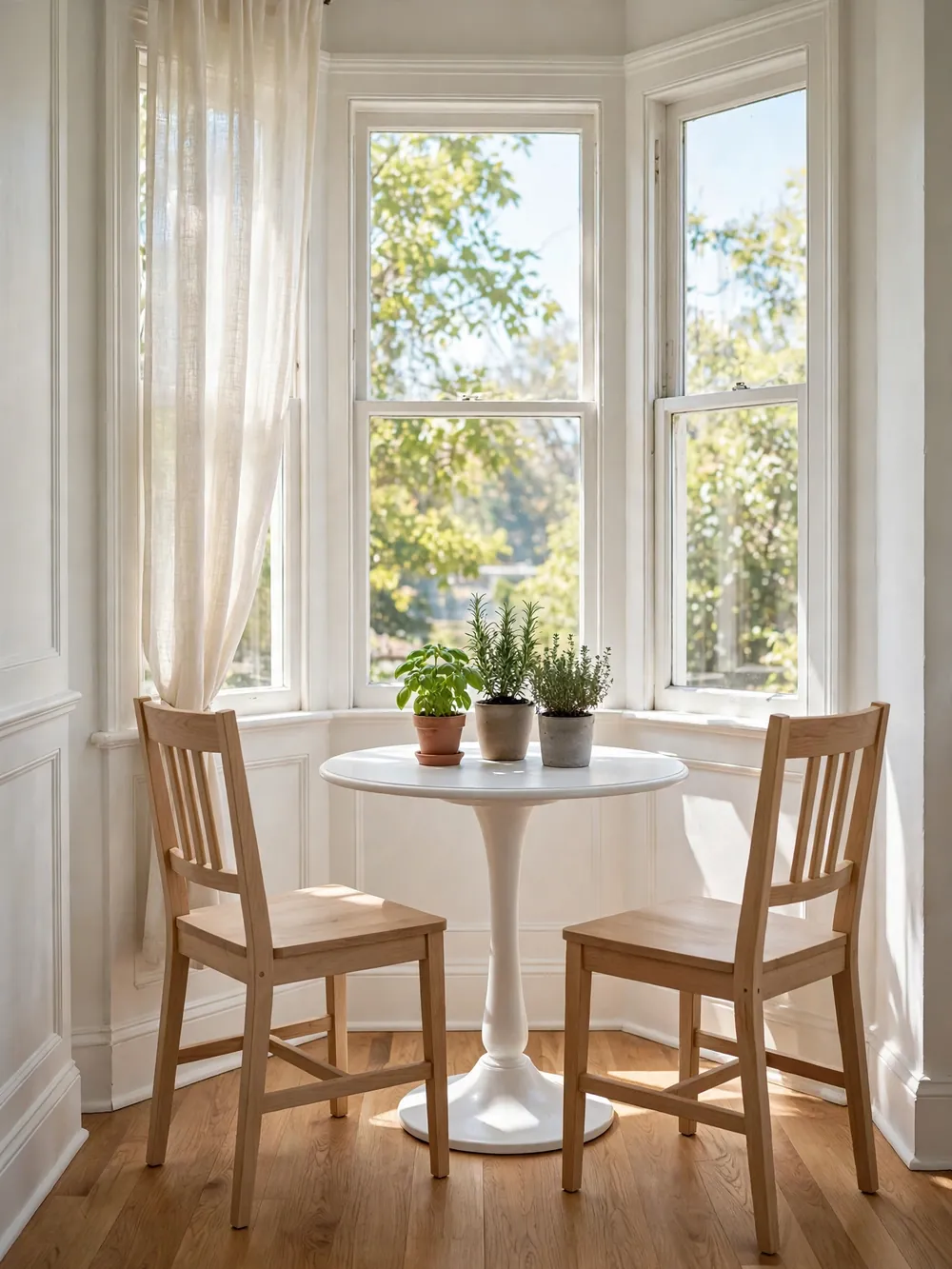
Best for: Couples in studios and one-bedroom flats who eat at the table daily.
Try this: Pair it with armless chairs that tuck fully under the top. You reclaim a walkway the moment dinner ends. Browse IKEA’s round dining table range to compare pedestal and four-leg bases side by side before you commit.
The Drop-Leaf Round Table
A drop-leaf round lives as a slim half-moon against the wall. It opens into a full circle when friends come over. Few dining tables for small spaces change shape this dramatically. Hinged leaves on either side lift and lock. The table goes from a 20-inch-deep console to a 42-inch circle that seats six. Quality matters more than looks with this mechanism. Look for sturdy hinges and a locking support arm so the leaves sit level. Cheap hardware sags within a year and the seam shows every wobble.
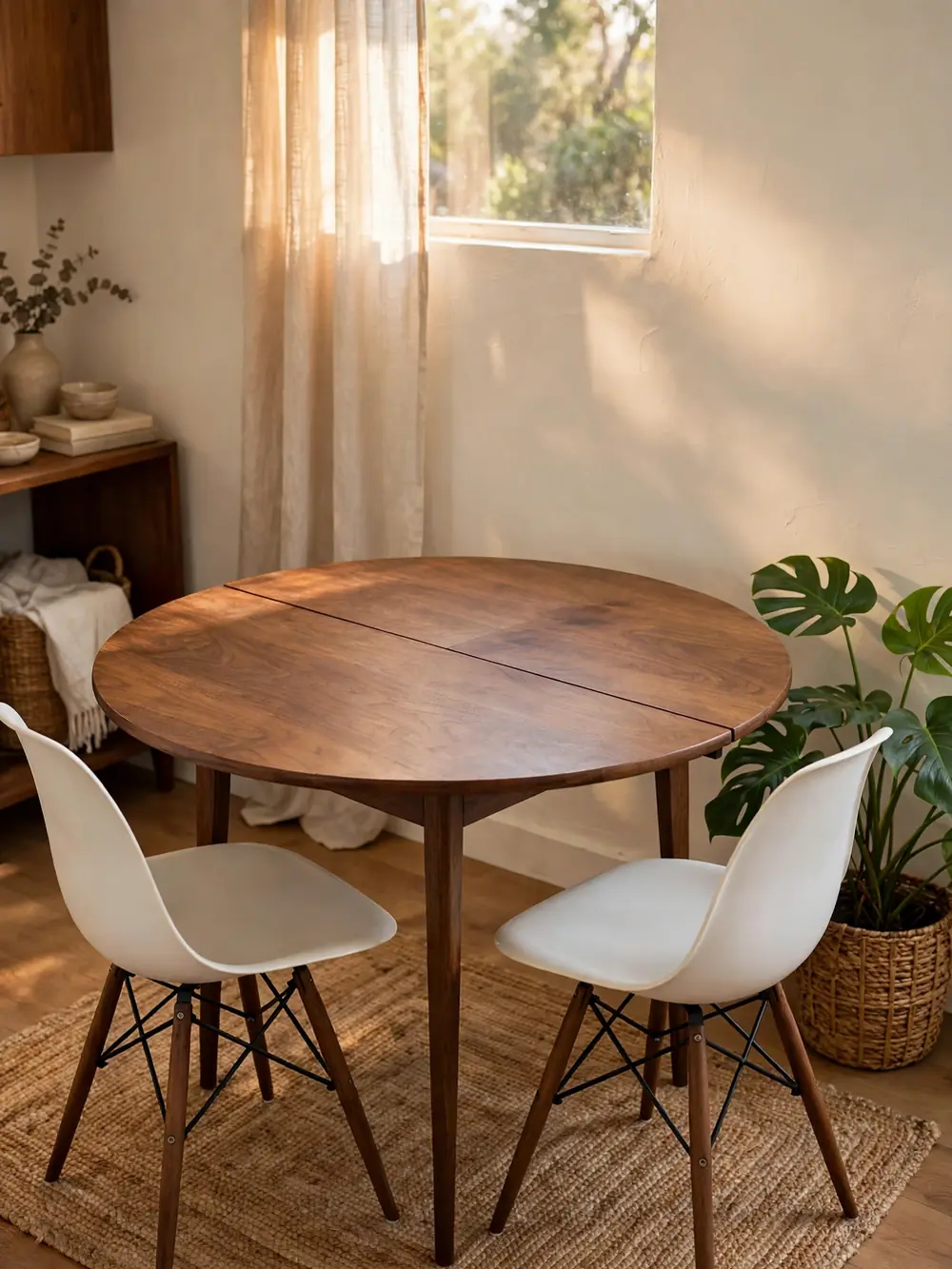
Best for: Renters who need a table that changes shape more than once a week.
Try this: Keep two folding chairs in a closet. The table then handles six with no extra furniture living in the room.
The Butterfly-Leaf Extendable Rectangle
The butterfly leaf is the cleverest extension trick in this list. The leaf folds in half and stores inside the table itself. Nothing ends up stashed in a closet or under a bed. If you host often, this is one of the cleverest dining tables for small spaces you can buy. Pull the table ends apart and unfold the leaf. A 60-inch table for four becomes a 78-inch table for eight in under a minute. Self-storing leaves also mean the finish always matches, which is not true of separate leaves that age differently in storage.
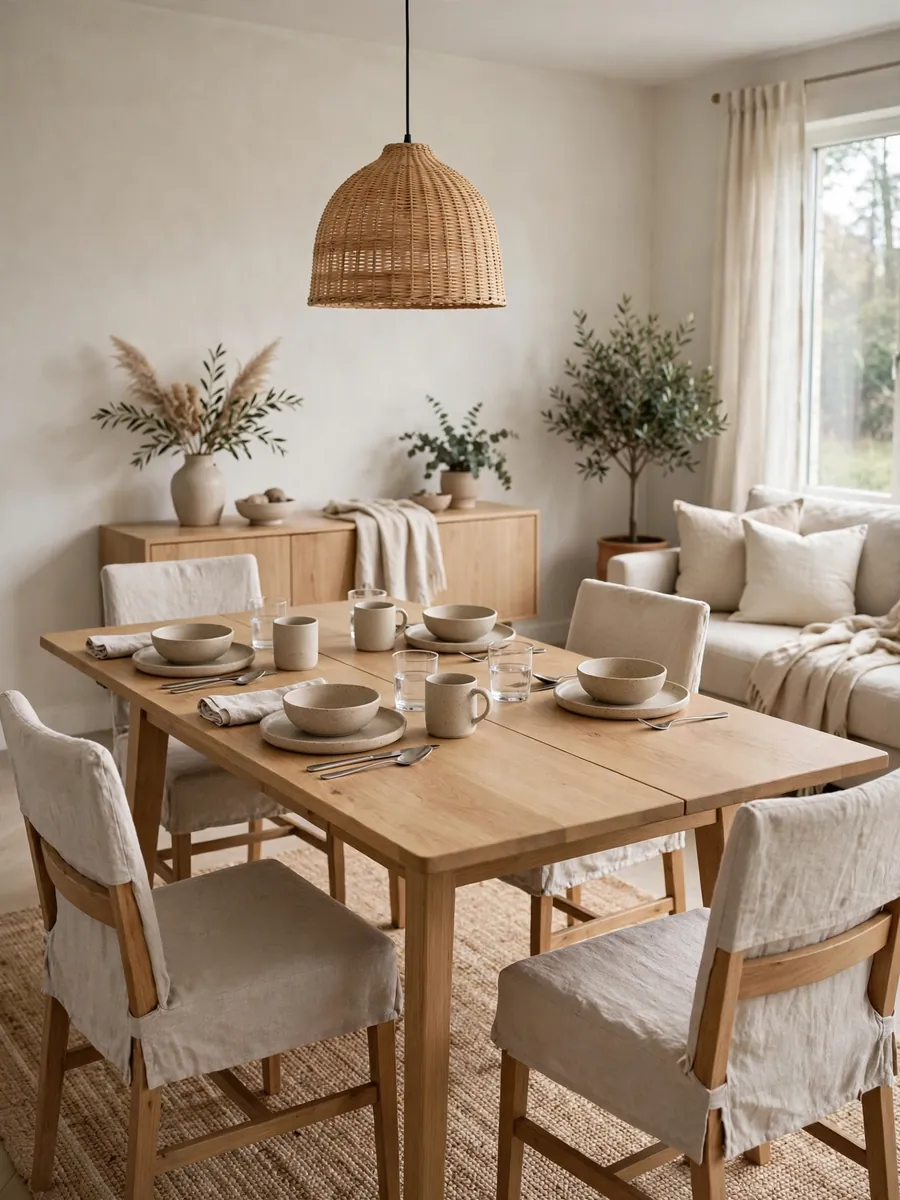
Best for: Households that host monthly but live with four daily.
Try this: Test the glide in person if you can. Smooth, geared slides stay aligned for years; gritty ones are the first thing to fail.
The Wall-Mounted Fold-Down Table
When floor space is the scarcest resource, the wall-mounted fold-down wins. The tabletop hinges flat against the wall when not in use. That frees the entire footprint for walking, playing, or a yoga mat. Lower it for meals and most versions seat two comfortably, some four. The catch is installation: it needs solid wall anchoring into studs or masonry. Renters should get written landlord approval first, since the mounting holes are not spackle-and-go.
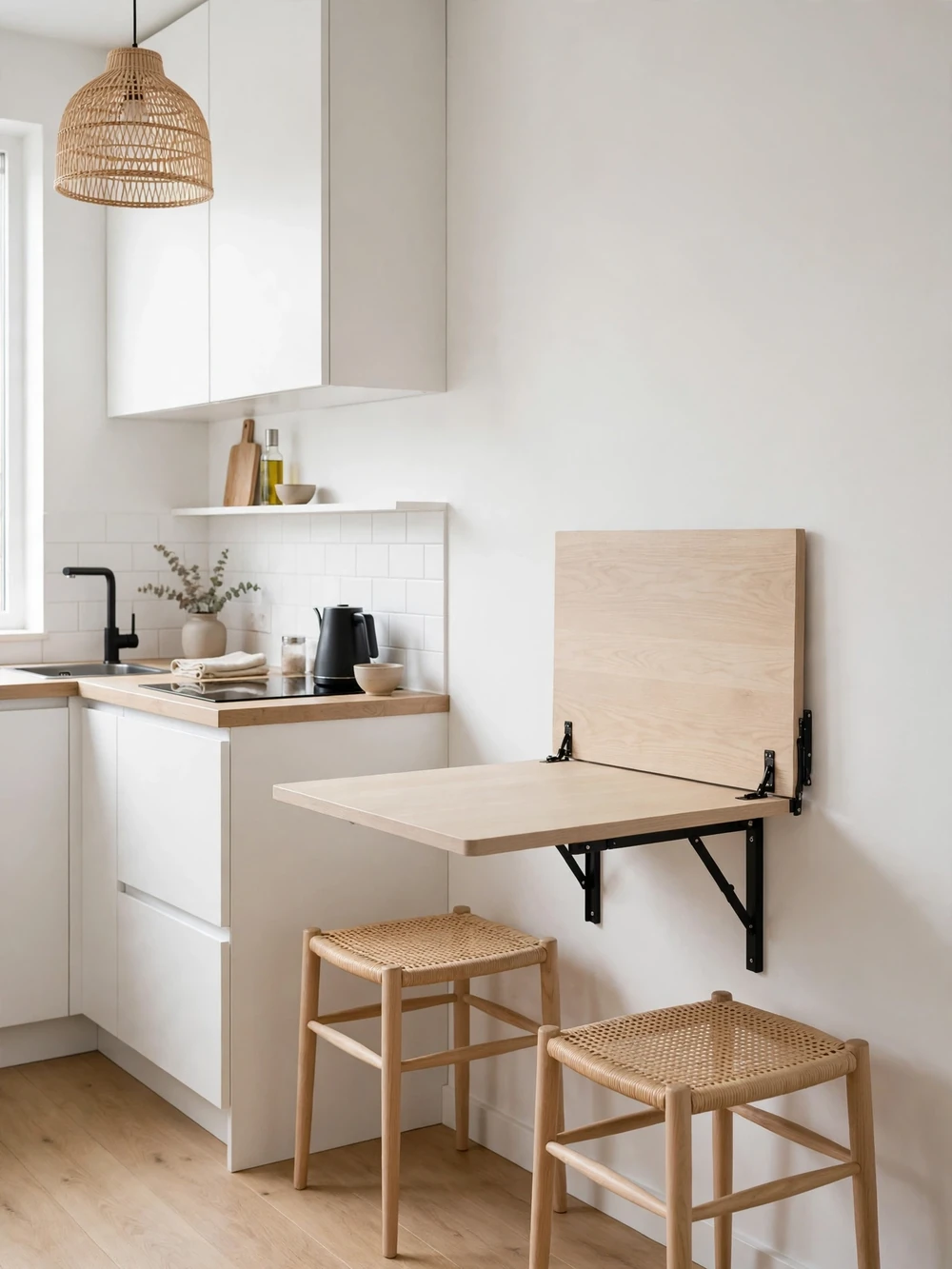
Best for: Micro-studios and galley kitchens where every square foot is contested.
Try this: Mount it at standard dining height, 29 to 30 inches, and pair it with stools you already own.
The Console-to-Dining Converter
This is the transformer of dining furniture. Closed, it is a 16-inch-deep console that hugs a hallway or sits behind a sofa. Opened with its pull-out extensions, it becomes a dining table up to 10 feet long that seats ten. The mechanism is heavier and pricier than a simple leaf table, and you should budget real assembly time. No other category of dining tables for small spaces multiplies seats like this one. From a 16-inch console to a ten-seat table, nothing else on this list transforms this dramatically.
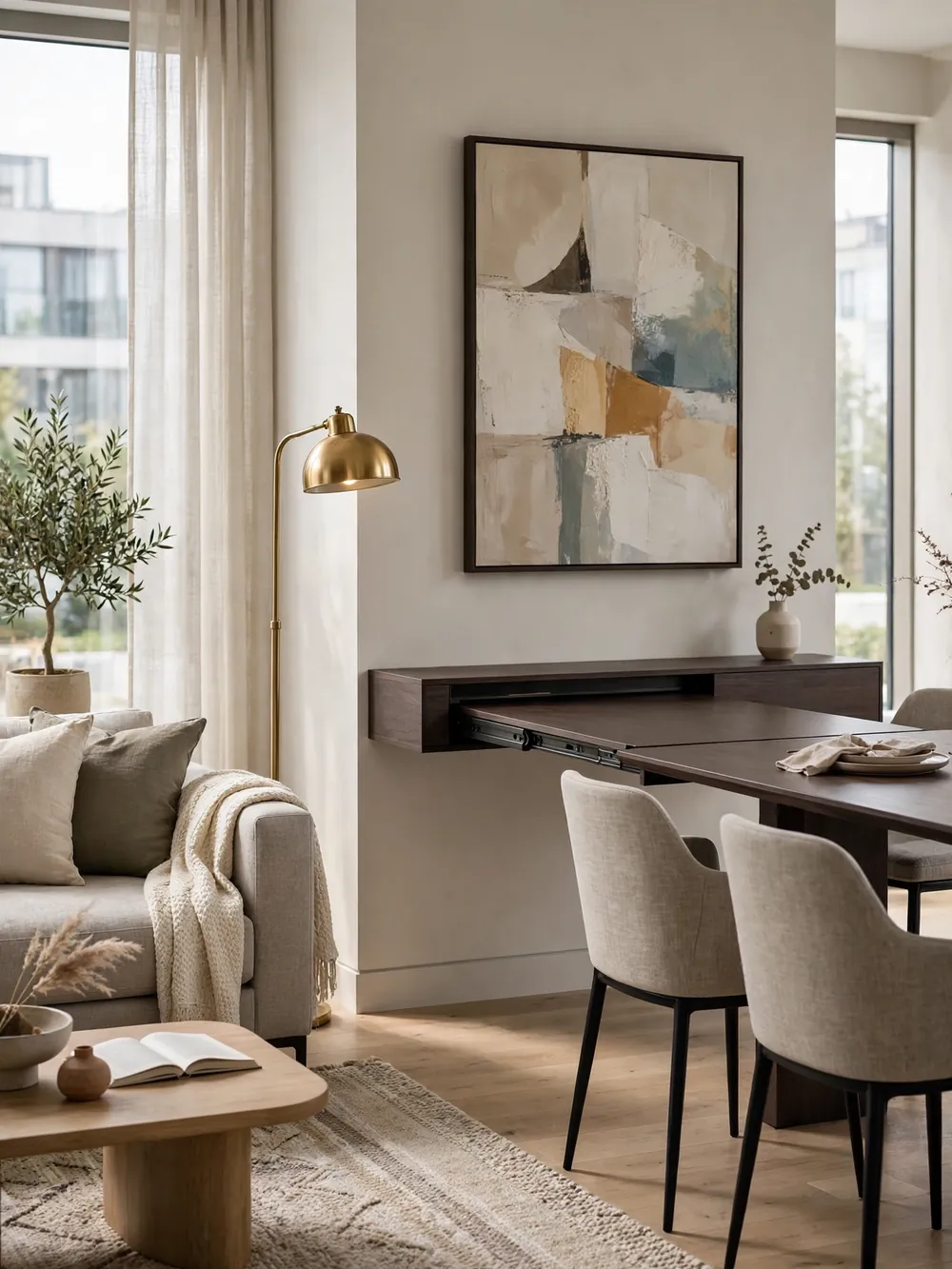
Best for: Open-plan apartments where the “dining room” is a wall, not a room.
Try this: Use it as your entryway console daily so it earns its floor space twice.
The Glass-Top Table
A glass top does not save a single square inch, and it still belongs on this list. It saves visual weight, which matters in rooms where a solid wood table reads as a wall. Light passes through, sightlines stay open, and the room feels larger than its tape measure says. Tempered glass is the non-negotiable spec here for safety. On brightness alone, glass earns its place among dining tables for small spaces. The trade-off is maintenance: fingerprints, dust, and every crumb announce themselves, so keep a microfiber cloth nearby.
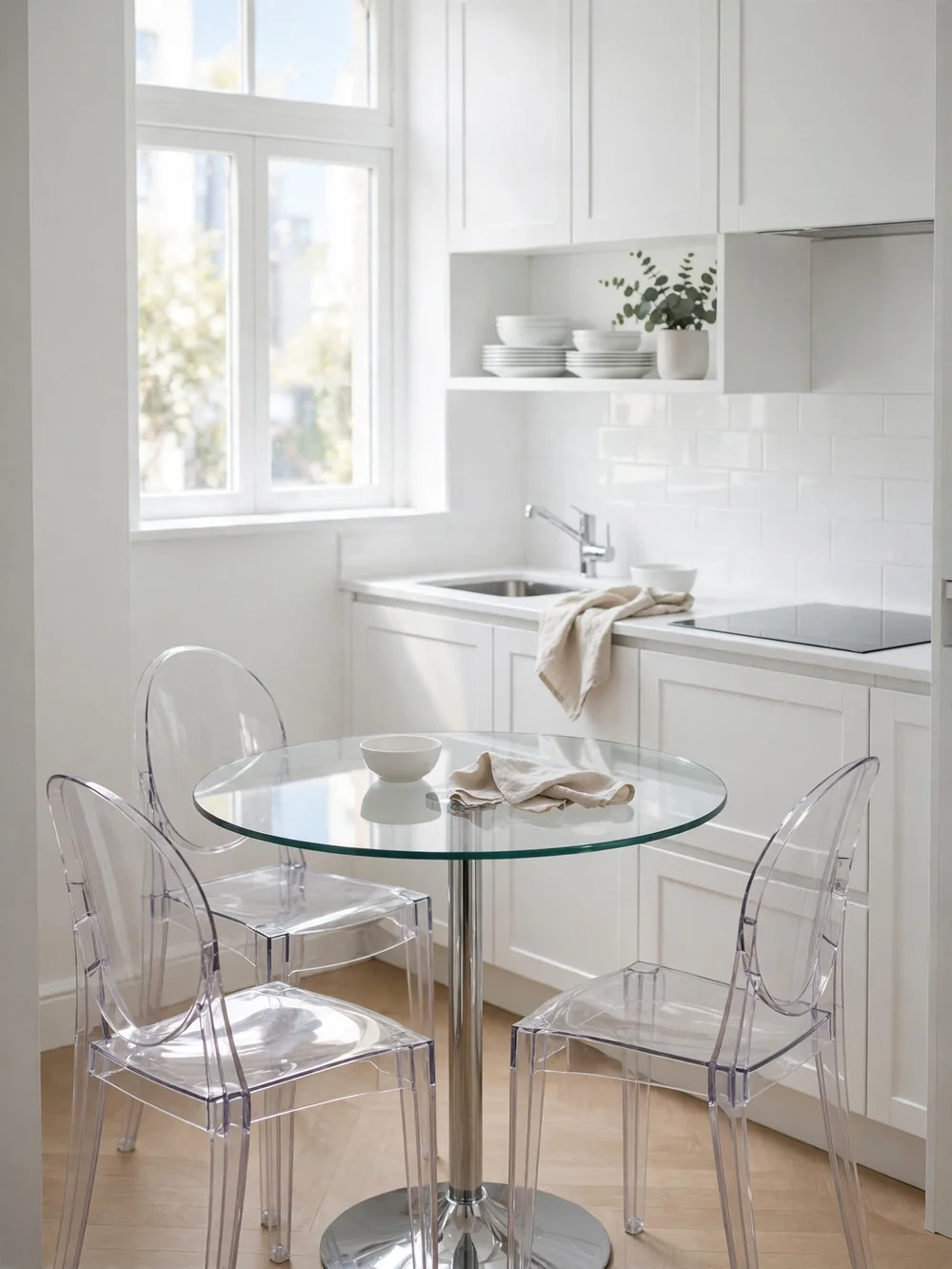
Best for: Dark or windowless dining corners that need every brightness trick available.
Try this: Pair it with transparent or slim-profile chairs to double down on the airy effect.
The Counter-Height Pub Table
Counter-height tables stand around 36 inches tall and pull a clever space trick. The taller sightline makes the footprint feel smaller, and backless stools slide completely under the top. A 24-inch round pub table seats two in the space of a barstool footprint. It also doubles as a standing desk or a drinks station during parties. Watch the comfort math, though: counter stools suit quick meals and coffee better than three-hour dinners.
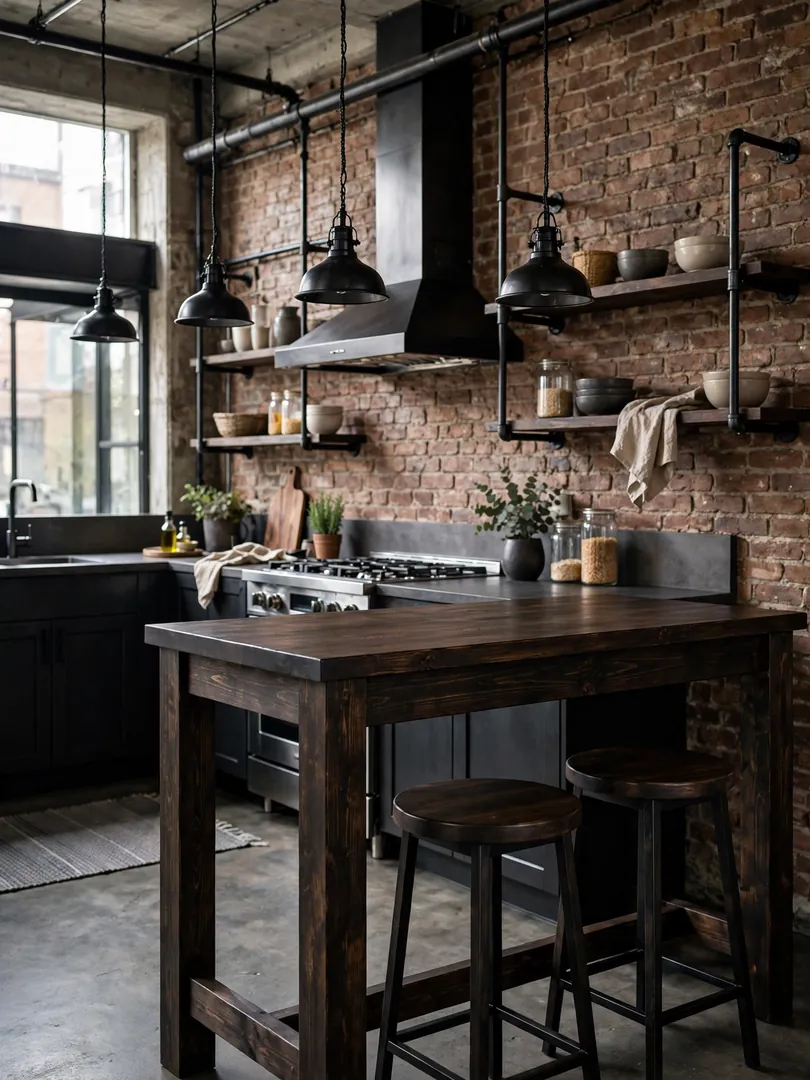
Best for: Young renters and anyone who wants the table to moonlight as a workspace.
Try this: Choose stools with footrests. Dangling feet get old fast at counter height.
The 31-Inch Square Table
Square tables get overlooked, but a 31-inch square pushes flush into a corner in a way round tables cannot. Two sides sit against the walls, two chairs face out, and the table claims a neat cube of floor. It seats two daily and four in a pinch if you pull it out from the wall. The straight edges also line up cleanly with kitchen counters and islands. That keeps galley layouts feeling intentional rather than improvised. Square designs remain underrated among dining tables for small spaces.
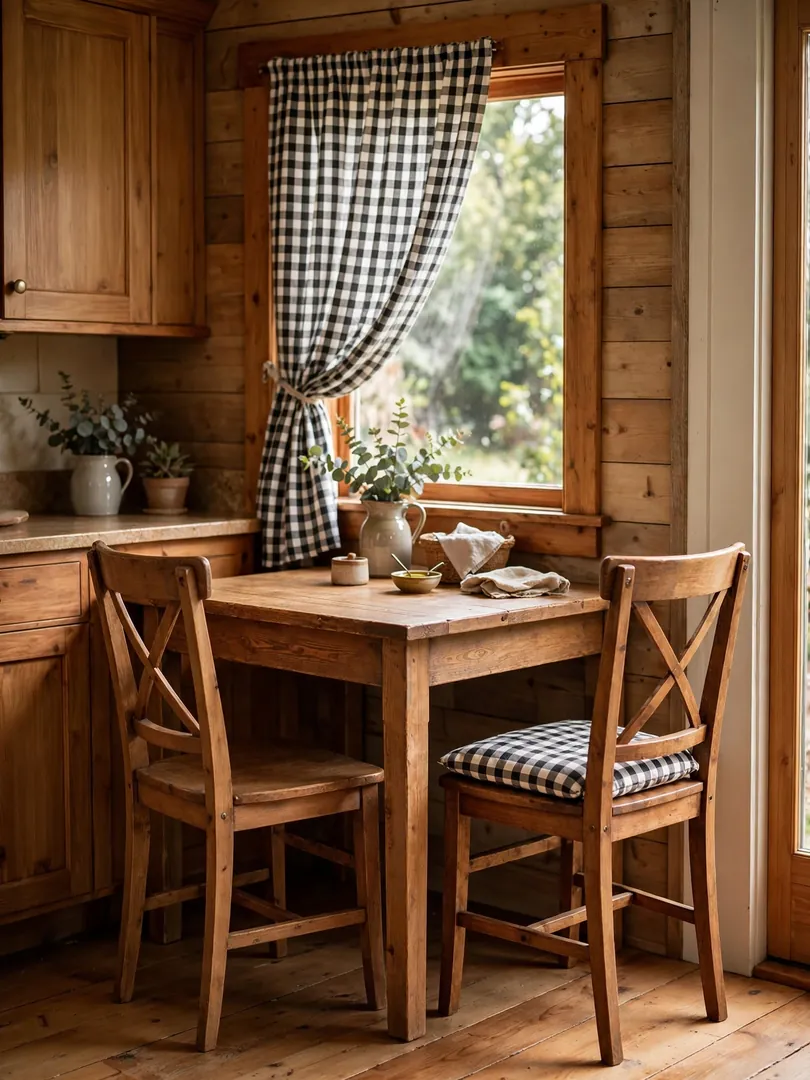
Best for: Square eat-in kitchens where the table must share walls with counters.
Try this: Add a bench on one side later and the same table seats three without moving an inch.
The Extendable Oval Table
Ovals are the diplomats of table shapes. No sharp corners catch hips in tight walkways. An extended oval seats more people per inch than a rectangle of the same length. For narrow rooms, these are the most forgiving dining tables for small spaces. A 42-inch oval that extends to 60 handles four daily and six for dinner parties. The curved ends also improve traffic flow around the table. That is why designers reach for ovals in narrow dining rooms. Check that the extension mechanism locks, or the two halves drift apart mid-meal.
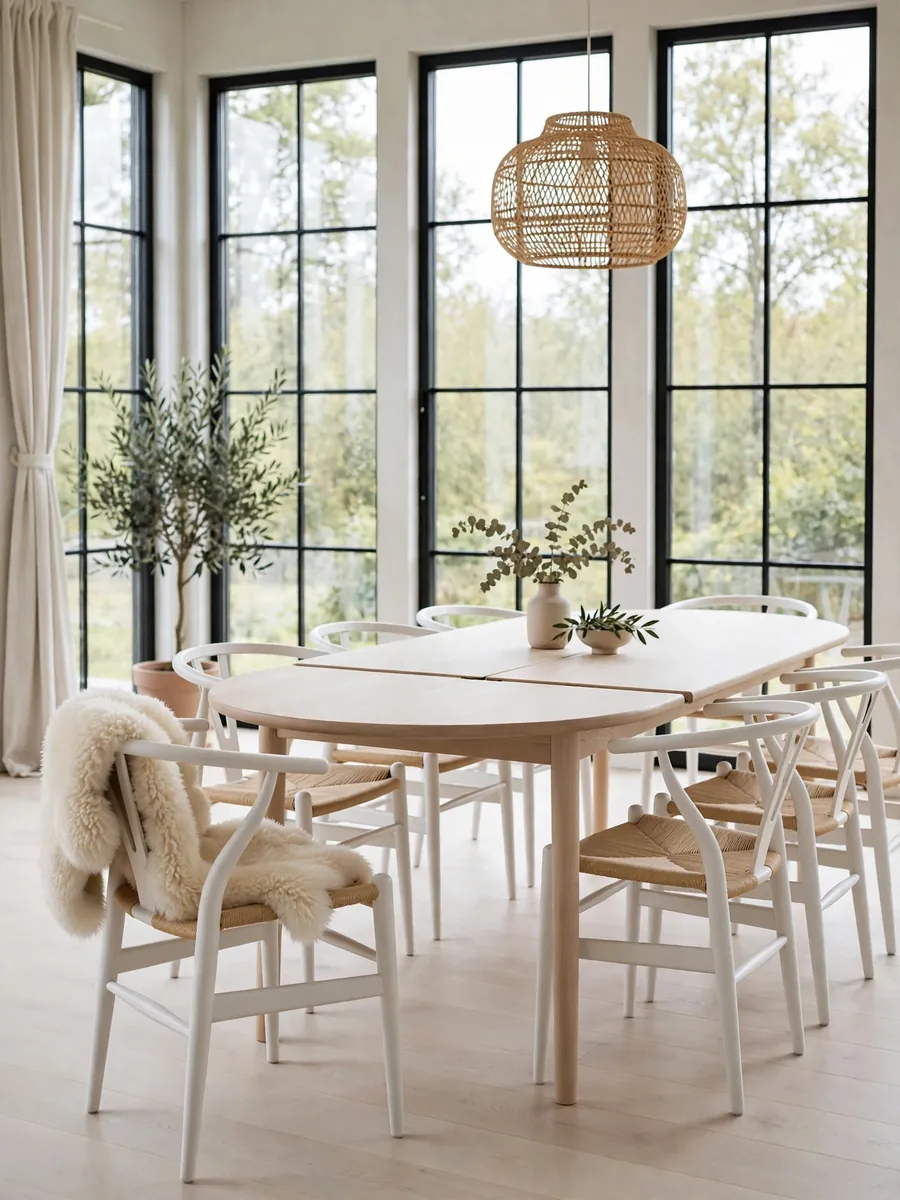
Best for: Narrow dining rooms where the walkway passes right behind the chairs.
Try this: Leave 36 inches of clearance on the circulation side even when the table is closed.
The Bench-Seat Dining Set
Swapping two chairs for one bench cuts the seating footprint nearly in half, and sliding the bench under the table between meals reclaims the walkway. A 48-inch table with a bench seats four in the space most four-chair sets need for three. Benches also flex: kids squeeze three across, and adults get honest comfort for shorter meals. The compromise is back support. Keep two proper chairs on the opposite side for long dinners and let the bench handle breakfast.
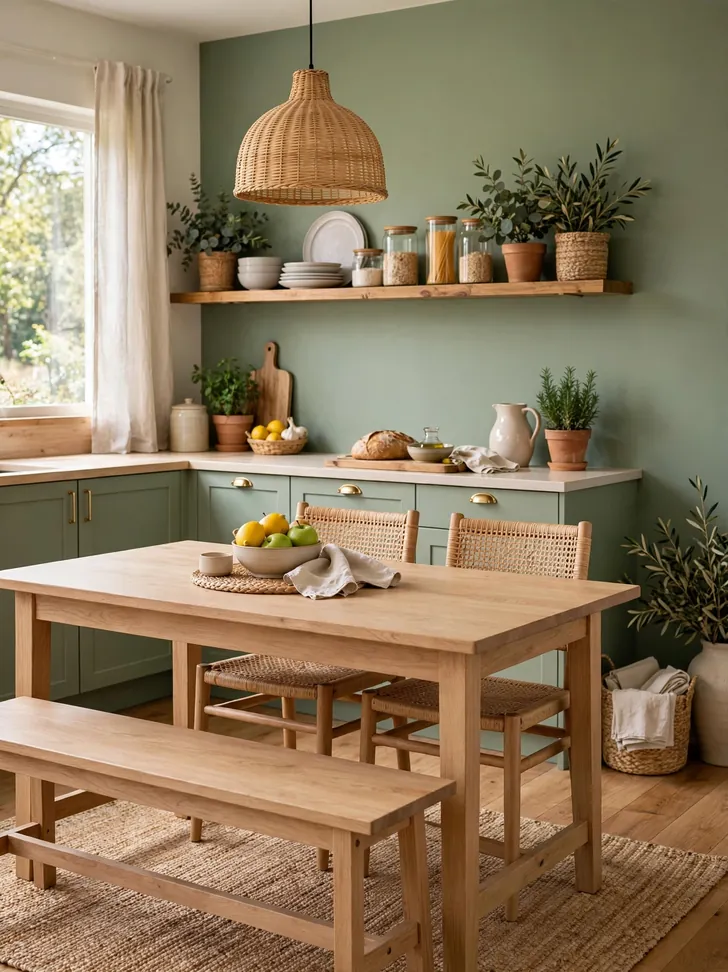
Best for: Families with young kids in compact eat-in kitchens.
Try this: Pick a bench with a flat, wipeable seat. Upholstered benches and spaghetti night are a risky pairing.
The Gateleg Table With Drawers
The gateleg is the original space-saving table, and the drawer version adds storage to the trick. Fold both leaves down and it becomes a slim console about a foot deep. Swing the gate legs out and raise both leaves for a full dining table. Gatelegs are the old souls of dining tables for small spaces. The built-in drawers swallow placemats, napkins, and the takeaway menu collection. Solid wood gatelegs are heavy, so this is a set-it-and-mostly-leave-it piece rather than something you fold daily.
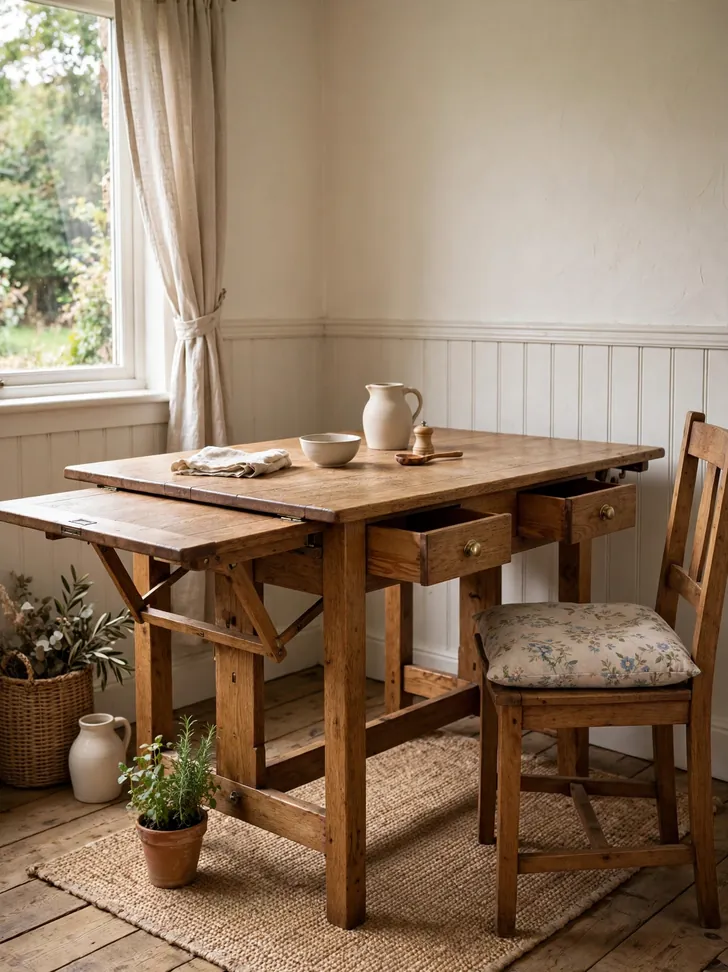
Best for: Traditional-style homes that need the table to disappear between Sunday dinners.
Try this: Wax the hinge points once a year. A smooth gateleg gets used; a stiff one stays folded.
The Half-Moon Demi-Lune
A demi-lune is literally half a table. The flat side sits flush against a wall and the curved half faces the room. It seats two for daily meals while projecting only half the depth of a full table. It also works as a console, a desk, or a hallway table when dining is not on the agenda. Few silhouettes on this list work harder. Style-wise it leans classic, so it suits rooms where a folding table would look out of place.
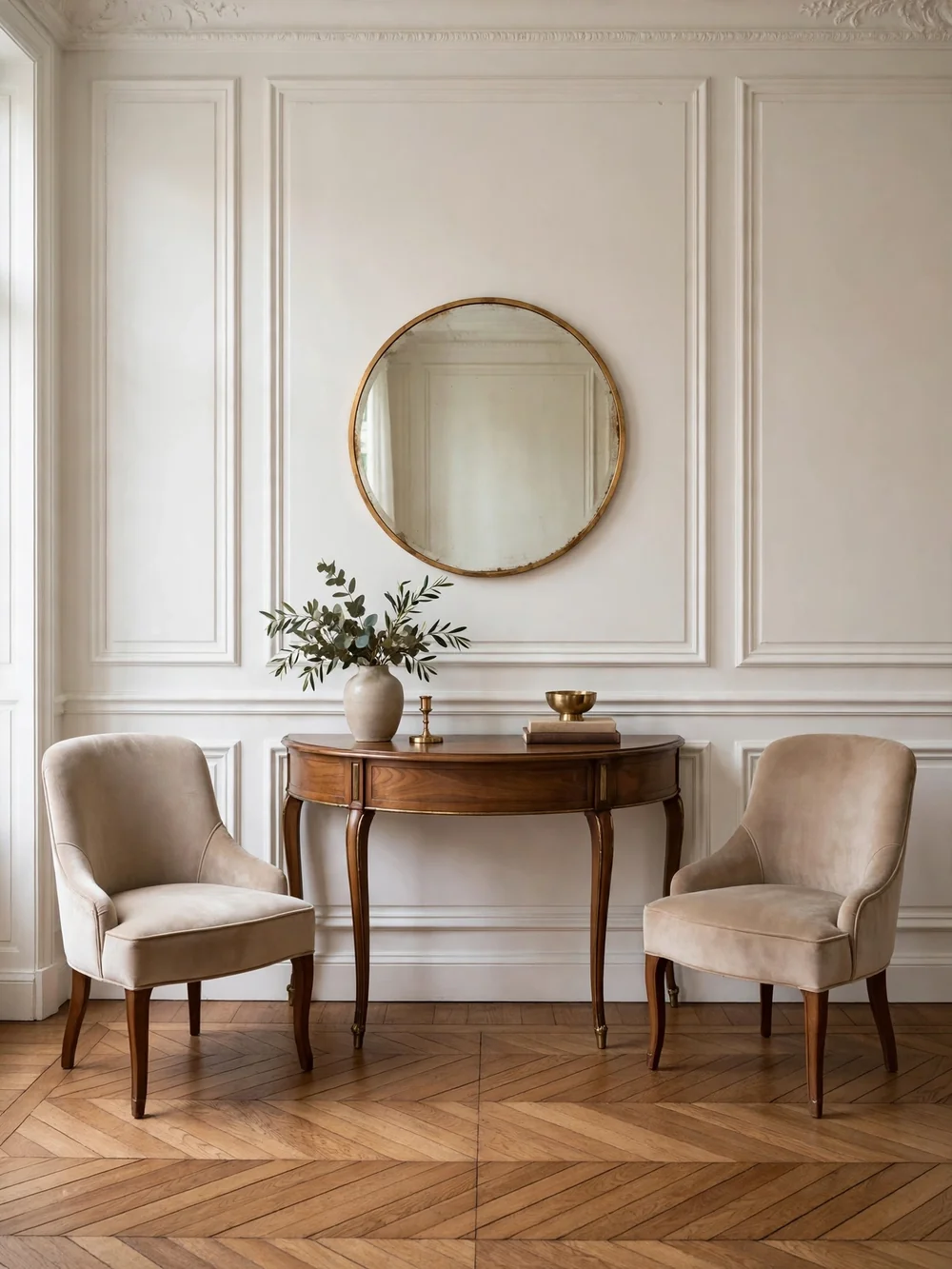
Best for: Hallway-adjacent dining spots and anyone who wants one piece to do three jobs.
Try this: Hang a mirror above it. The reflection doubles the visual depth of the nook.
The Corner Breakfast-Nook Banquette
A built-in-look banquette turns a dead corner into the most-used seat in the house. The L-shaped bench hugs two walls, which reclaims corner floor space that chairs could never use efficiently. Many banquettes hide storage under hinged seats: linens, board games, and the holiday tablecloth all fit. Add a small round or square table and the four nook seats in about 25 square feet. Freestanding banquette benches exist for renters who cannot build in.
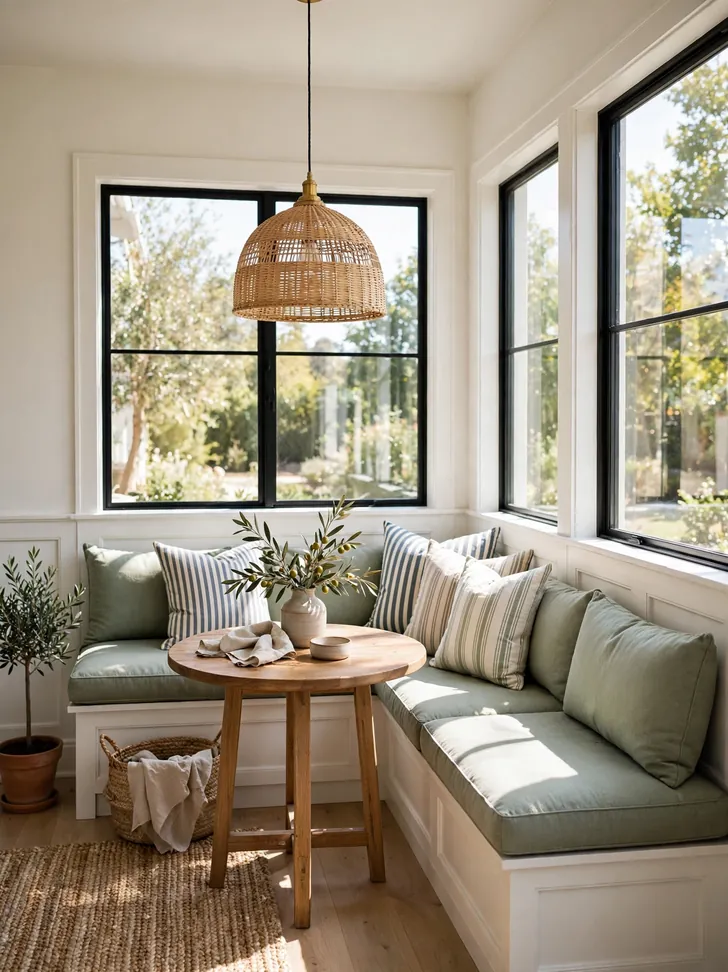
Best for: Kitchen corners that currently hold nothing but a bin and good intentions.
Try this: Upholster the bench seat in a wipeable fabric. Crumbs are inevitable; stains are optional. The nook also makes a fine reading corner after meals. See our comfy reading chair ideas for small spaces for similar setups. A banquette nook gets more daily use than most dining tables for small spaces.
The 27-Inch Narrow Rectangle
Some kitchens are simply too slim for a standard 36-inch-deep table. A 27-inch narrow rectangle fits where nothing else will. Try it along a galley wall, at the end of a counter run, or in a hallway-wide dining strip. These slim rectangles are the most honest dining tables for small spaces. Each diner gets a real place setting if you keep the styling minimal, and two people eat comfortably. It will not host Thanksgiving, and it does not pretend to. For daily meals in a truly tight kitchen, though, it beats eating over the sink.
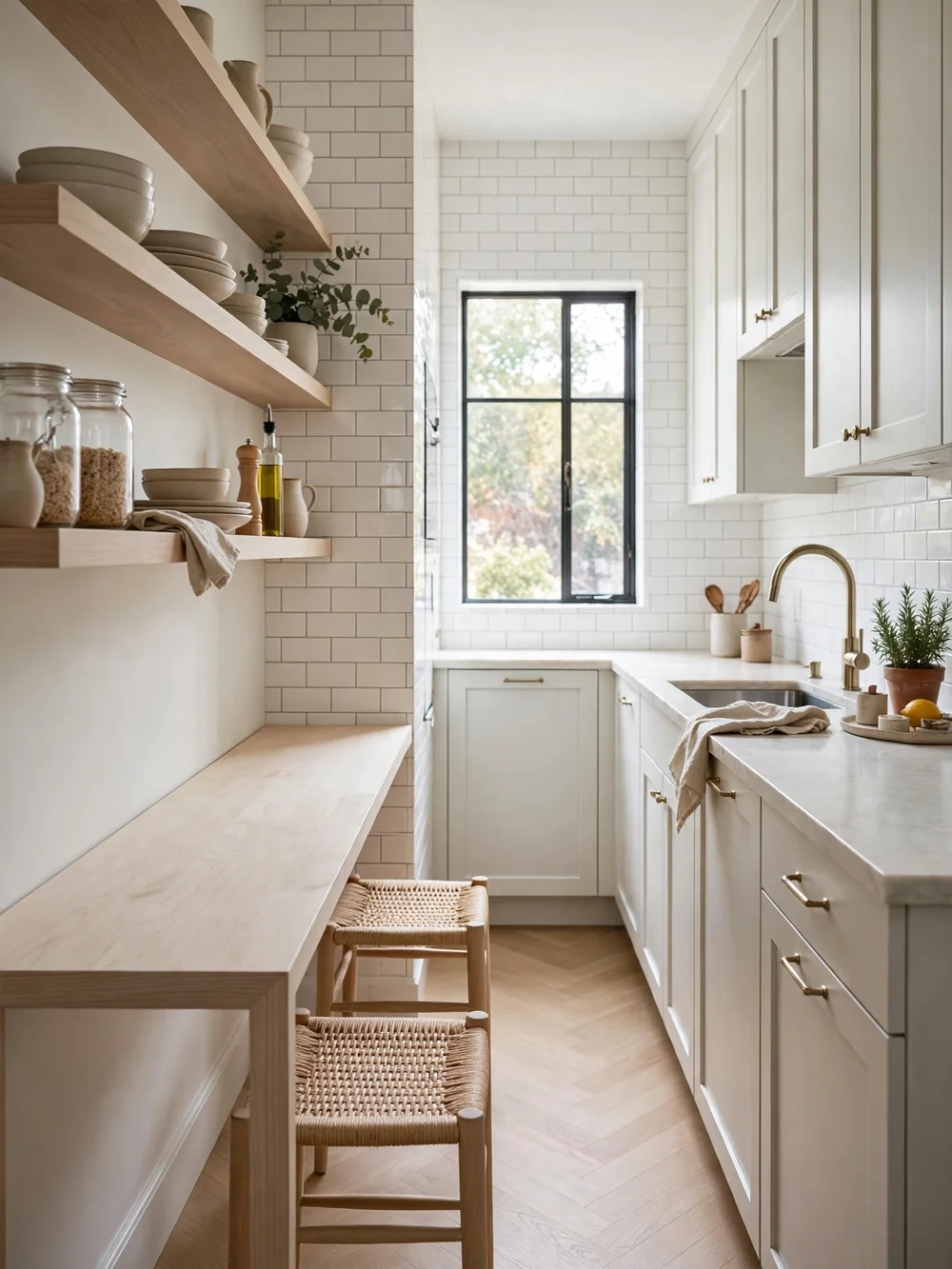
Best for: Galley kitchens and railroad-style apartments with one narrow walkway.
Try this: Mount a slim shelf above it for glasses and free the table surface entirely for plates.
The Storage-Base Table
A storage-base table puts shelves or drawers where dead air usually lives under the top. Everyday dishes, placemats, and a table runner live inside the table itself. That means one less cabinet or sideboard competing for wall space. This is genuinely useful in kitchens with limited cabinetry. The trade-off is knee room. Deep storage on all four sides can box diners in, so choose a design with storage on two sides only. Storage-base designs are the most practical dining tables for small spaces.
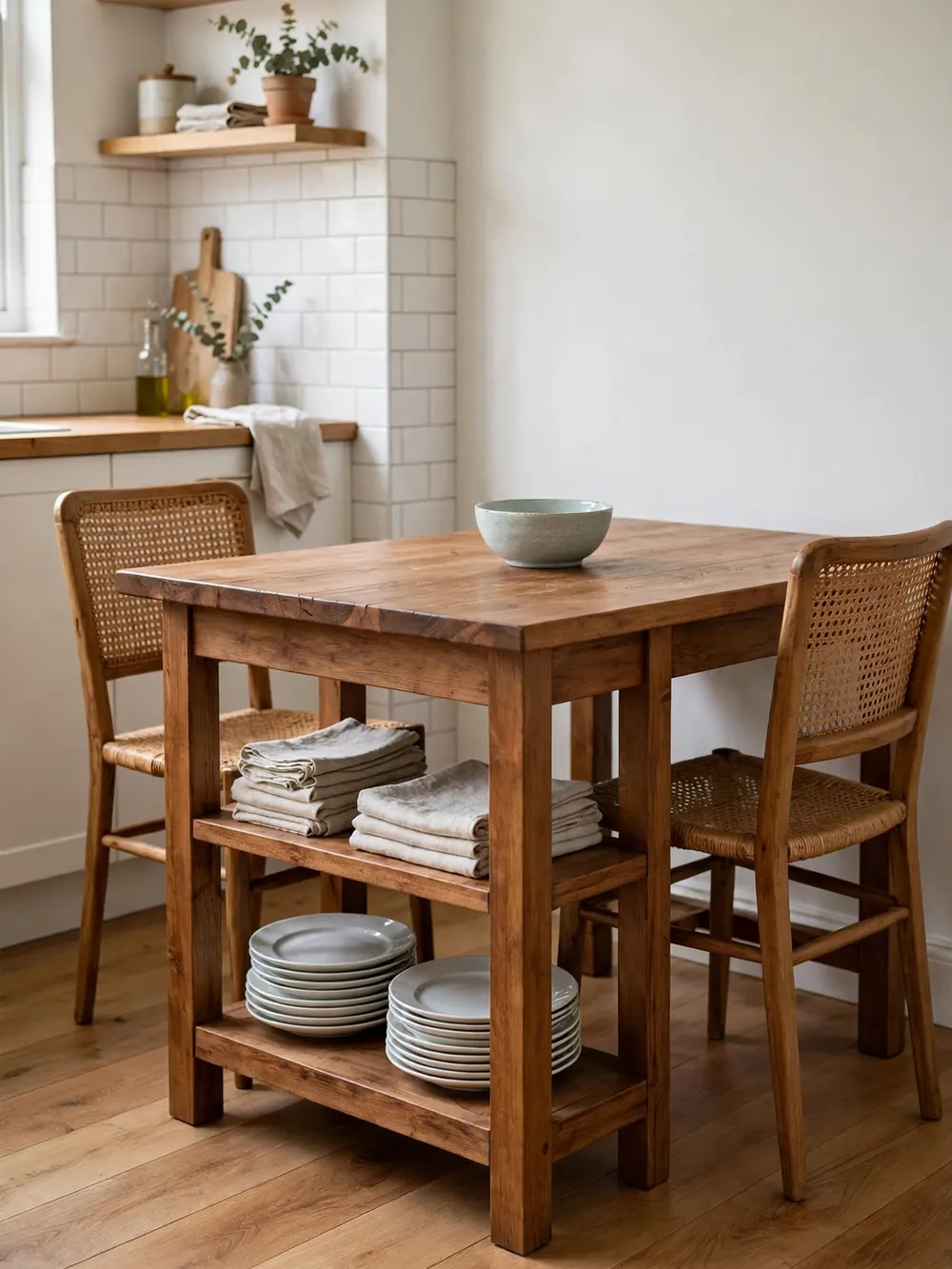
Best for: Kitchens short on cabinets where every inch of storage counts.
Try this: Store only dining-related items in it. The moment it becomes a junk drawer, the concept collapses.
The Marble-Look Round Table
This is the style pick that proves small does not mean plain. A marble-look top on a slim pedestal base brings the veined-stone look. It costs a fraction of the weight and price of real marble. Most versions use sintered stone or printed composite, which resists heat and wipes clean. A 36-inch round seats four and anchors a dining corner with real presence. Keep the chairs simple and let the top do the talking.
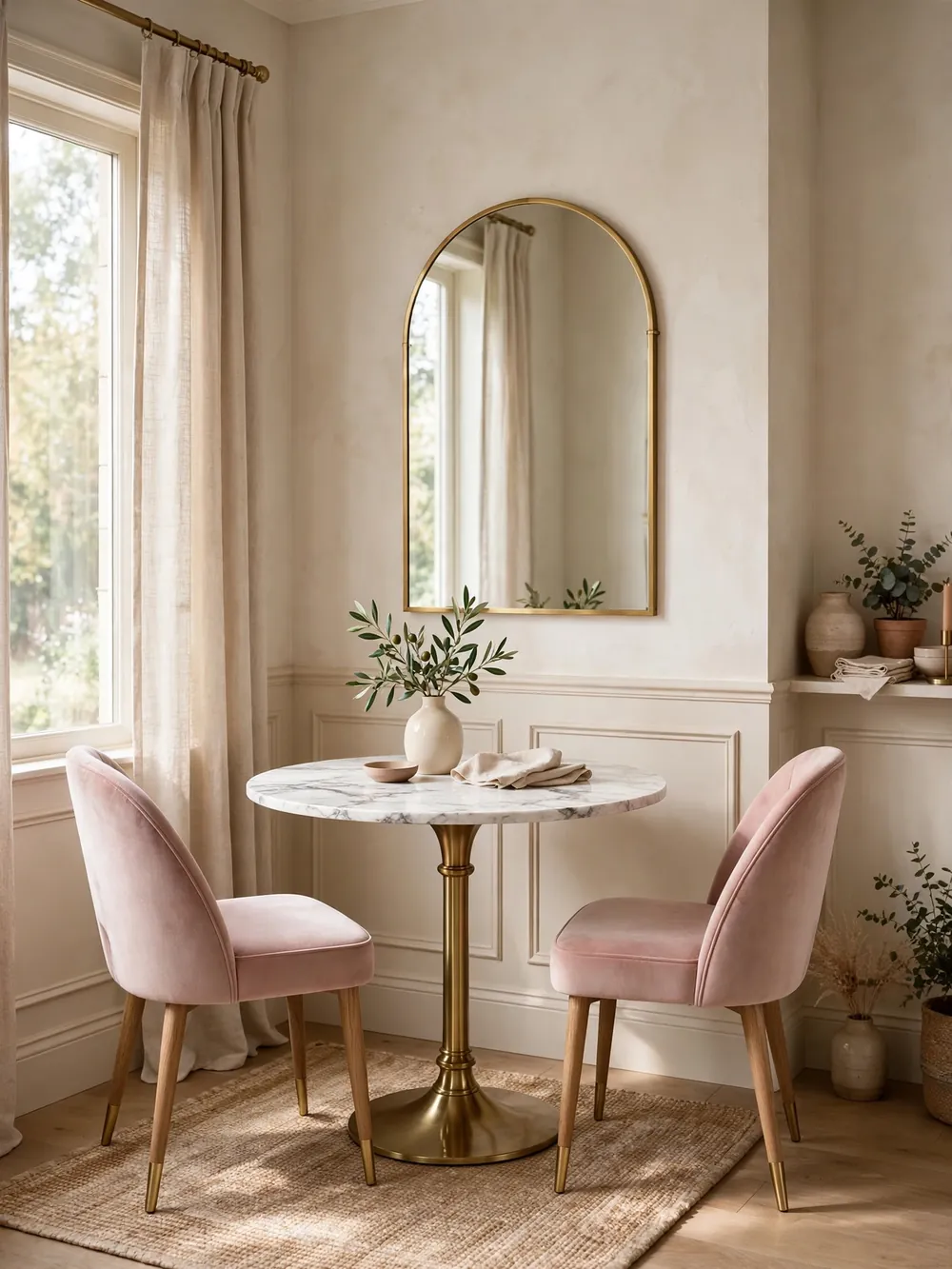
Best for: Design-led apartments where the dining corner is visible from the front door.
Try this: Use felt pads under everything. Stone-look tops show scratches more than wood does.
The Industrial Metal-Frame Table
A black metal frame with a wood top is the workhorse aesthetic. It reads sturdy, hides wear, and suits daily hard use. Industrial frames are the toughest dining tables for small spaces. The slim metal legs keep the visual footprint light even though the table itself is solid. These tables tend to be heavier than they look, so plan the delivery path through narrow hallways first. The style pairs naturally with leather, linen, and plants, and it ages better than most budget finishes.
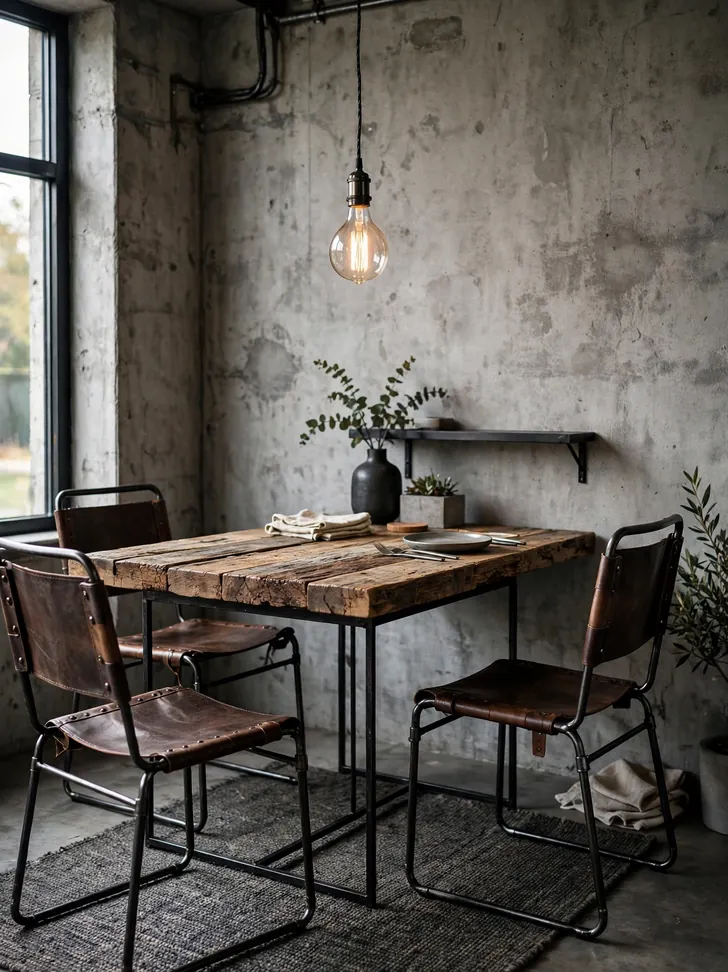
Best for: Busy households that need a table to survive homework, crafts, and dinner.
Try this: Check the weld points and leg levelers before buying. Wobble is the number-one complaint with metal frames.
The Mid-Century Tapered-Leg Table
Tapered, splayed legs are more than a style signature. They angle outward, which leaves more knee room than straight legs at the same top size. Mid-century designs are the warmest dining tables for small spaces. A 48-inch teak or walnut-veneer rectangle seats four to six and brings warmth that pale modern tables cannot. Vintage originals are plentiful secondhand and often cheaper than reproductions. If you buy vintage, check that leaves or extensions (if any) are included before you fall in love.
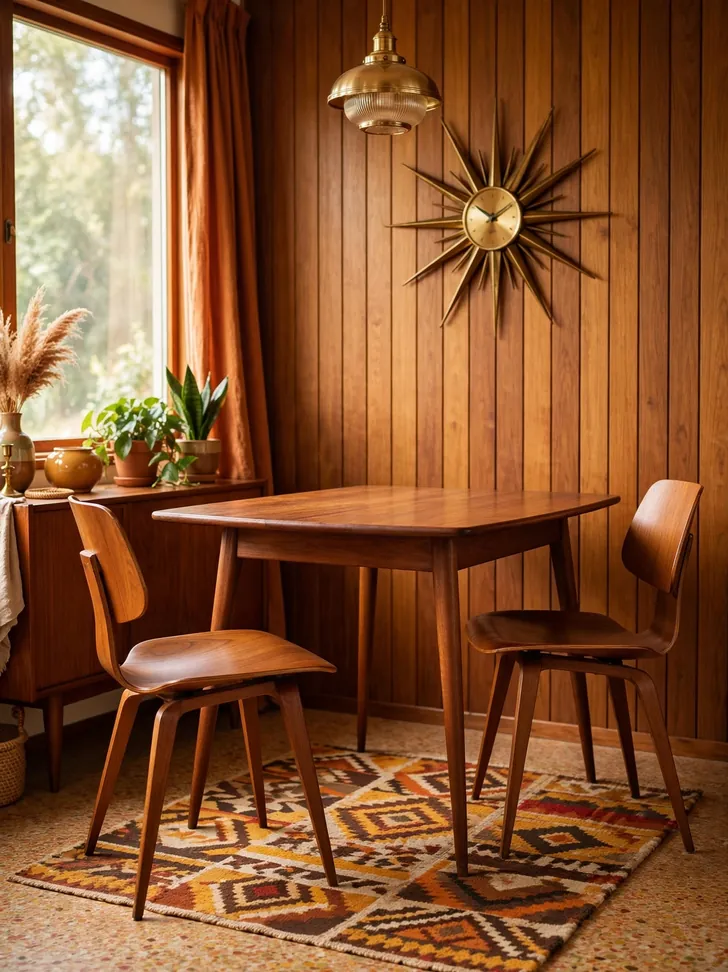
Best for: Retro-leaning homes where the table is also a style statement.
Try this: Oil or wax the top yearly. Mid-century veneers dry out faster than modern sealed finishes.
The Round-to-Oval Extender
This table starts as a compact round for daily life and stretches into an oval when the guest list grows. The extension leaf usually stores inside the table, butterfly-style, so there is no separate piece to lose. A 42-inch round becomes a 60-inch oval seating six. It offers the best of both shapes. You get the friendly circulation of a round every day, and the seating efficiency of an oval when it counts. Round-to-oval extenders are the most flexible dining tables for small spaces. Test that the two halves align flush; a lipped seam catches plates.
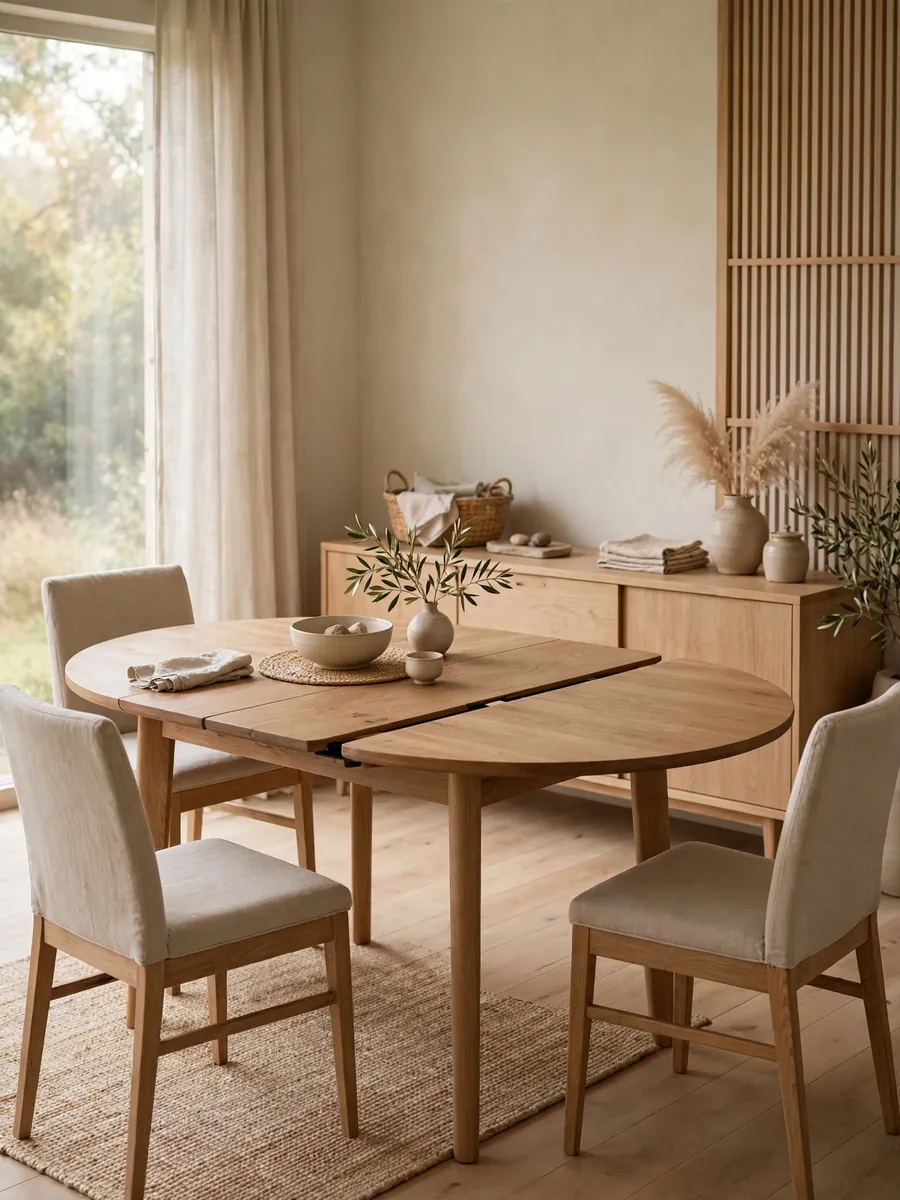
Best for: Anyone torn between a round and a rectangle who wants both.
Try this: Center a pendant light over the closed position. The extended oval will still sit comfortably under it.
The Tuck-Under Chair Set
Some sets are designed as a system: four armless chairs engineered to slide completely under the tabletop. Closed, the whole set reads as a single clean cube with zero chair footprint. Open, it seats four properly. Tuck-under sets are the tidiest dining tables for small spaces. This is the tidiest daily solution on the list for open-plan rooms where the dining area is always visible. The chairs are necessarily slim, so comfort tops out around the two-hour mark, which is fine for most weeknight dinners.
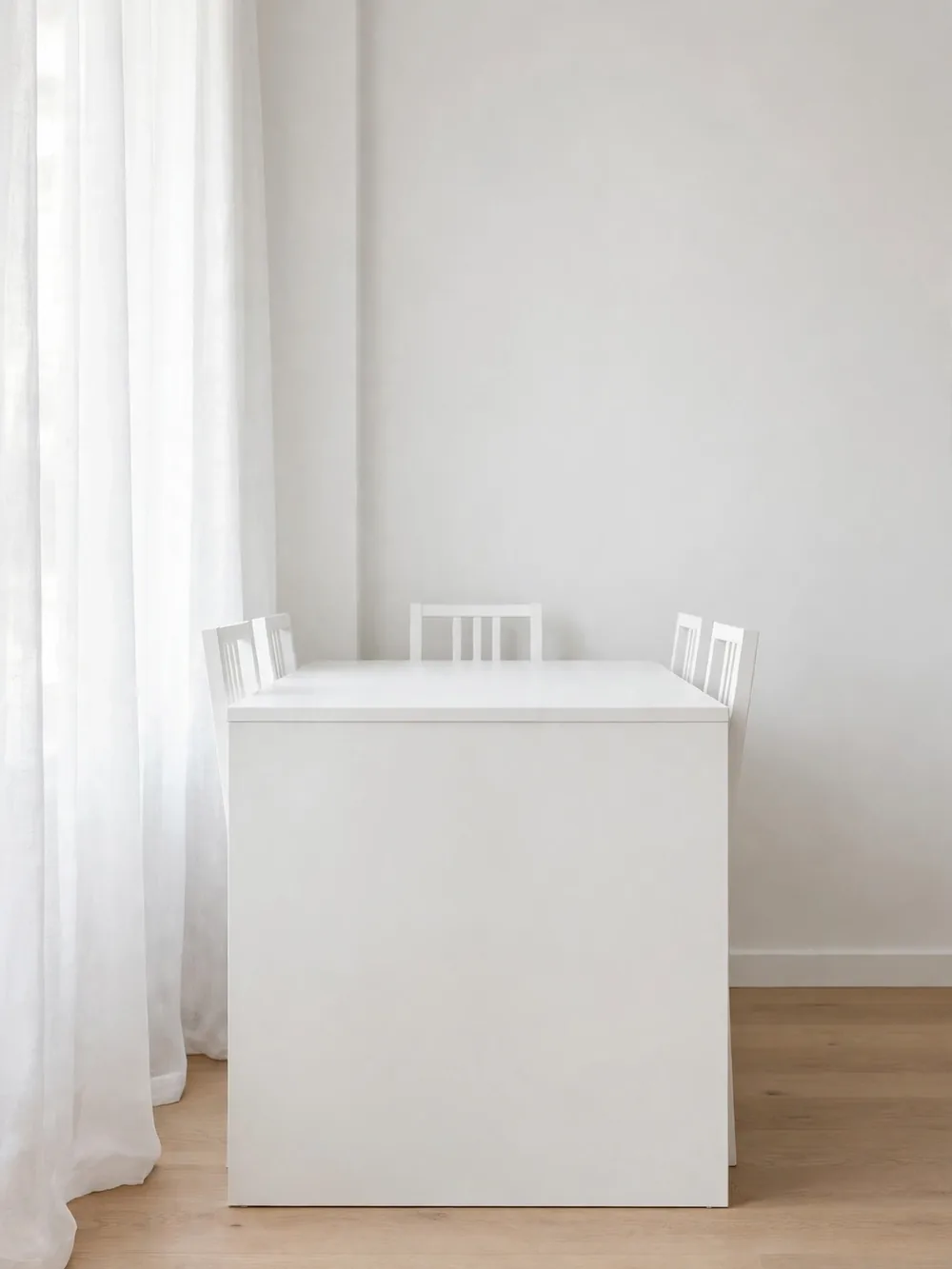
Best for: Open-plan living rooms where the dining set is always on display.
Try this: Measure your chair height against the table apron before buying. “Tuck-under” only works if the numbers agree.
The Small Farmhouse Trestle
A scaled-down trestle table brings farmhouse warmth without the eight-foot commitment. The trestle base uses two end supports joined by a stretcher. That leaves the long sides completely leg-free, so benches or chairs slide in easily. Trestles are the most charming dining tables for small spaces. A 48-inch version seats four daily and six with the ends pulled out slightly. The chunky silhouette needs visual balance: keep the surrounding styling light or the corner feels heavy.
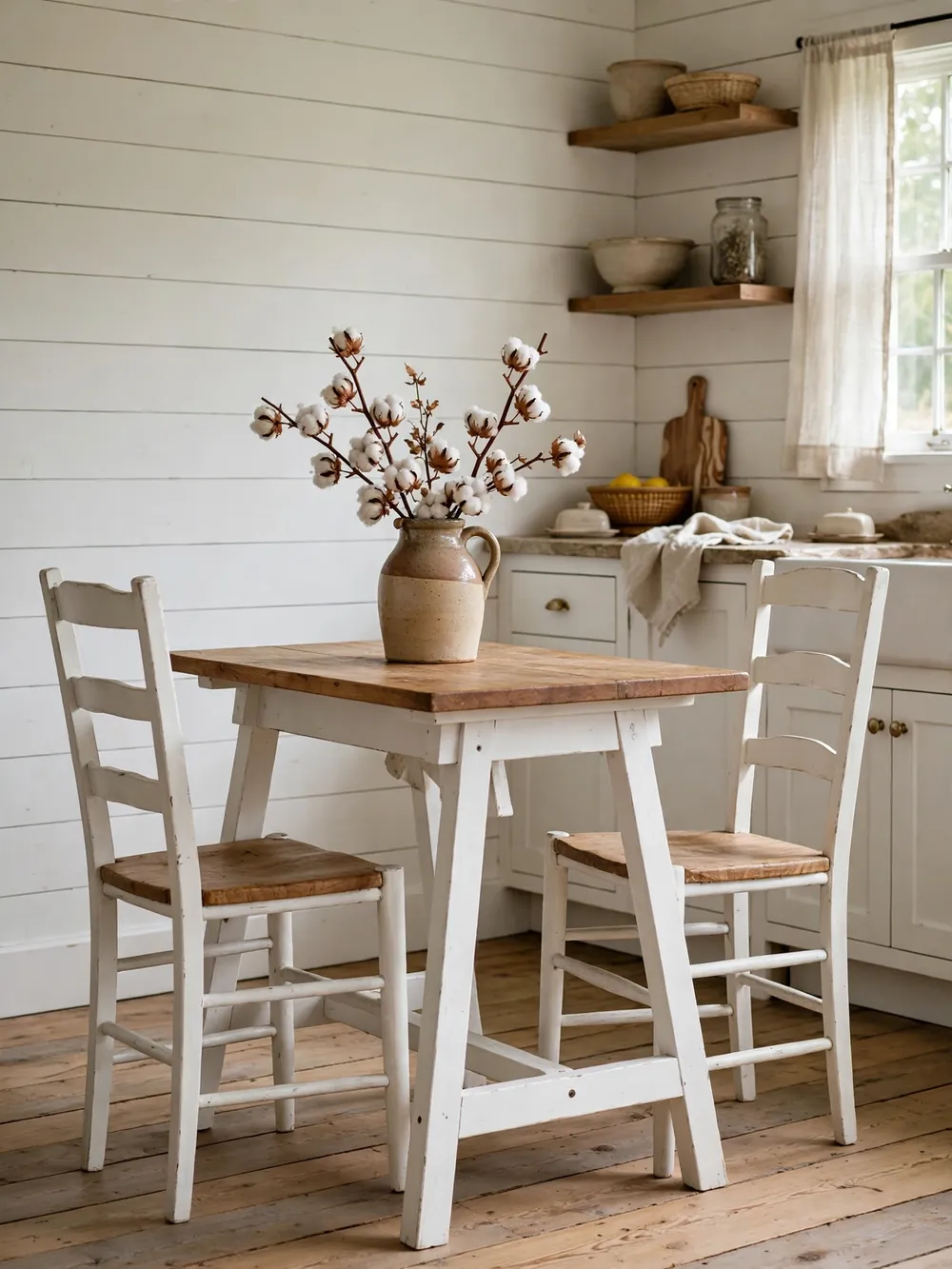
Best for: Farmhouse and cottage kitchens that want character in a small footprint.
Try this: A washable runner protects the top and adds pattern without visual clutter.
The Holiday-Hosting Hero
Every small home needs one table that can rise to the big occasions. An extendable table that grows from four to eight seats turns a compact dining corner into a holiday command center. Open it fully, add the leaves, and suddenly there is room for the turkey, the sides, and the whole family. The rest of the year it lives compact. This is the seasonal workhorse: sized for December, footprinted for July. Roll a drinks station alongside it and the evening runs itself. Our antique bar cart ideas for small spaces show how a single cart serves a full party. For holiday hosting, these are the hardest-working dining tables for small spaces.
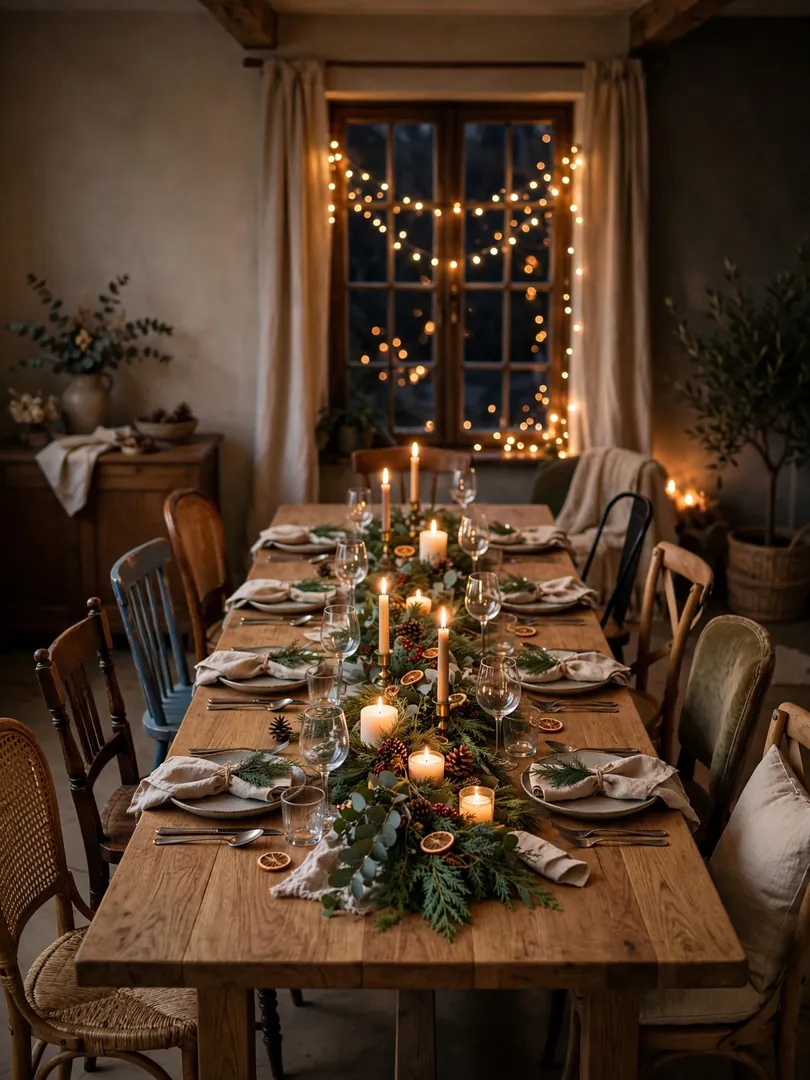
Best for: Anyone who hosts the holidays in under 800 square feet.
Try this: Do a full trial run a week before the event. Extend the table, set every place, and walk the serving path.
How to Size Dining Tables for Small Spaces
Two numbers decide whether a table fits: seats per inch and clearance around it. Plan roughly 24 inches of table edge per diner. Leave 36 inches between the table edge and the nearest wall or furniture. Chairs need that room to pull out. In a pinch, 30 inches works behind chairs nobody needs to walk past. Tape the footprint on your floor before you buy. It takes five minutes and prevents the most common small-space regret.
| Mechanism | Closed Size | Seats Open | Leaf Storage | Effort |
|---|---|---|---|---|
| Drop-leaf | Slim console | 4–6 | Attached (hinged) | Low |
| Butterfly leaf | Seats 4 | 6–8 | Inside the table | Low |
| Gateleg | ~12 in deep | 4–6 | Attached (hinged) | Medium |
| Fold-down wall mount | Zero footprint | 2–4 | N/A (wall-fixed) | None daily |
| Console extender | ~16 in deep | 8–10 | Pull-out sections | Medium |
Match the mechanism to how often you transform the table. Daily folders deserve the smoothest hardware you can afford; holiday-only extenders can be simpler. Measure the open size, not the closed one. The table only fails you when guests are already at the door.
A note on trying before buying. Apartment Therapy style editor Emma Dangel said it well while hunting for a small-space dining set in New York: “there’s just no substitute for seeing/trying on/sitting in the piece in person.” Chairs especially deserve a sit test. Read the full story in Apartment Therapy’s small-space dining set feature.
Dining tables for small spaces work best when the table matches the room’s real life. Two daily seats with room to grow beat six seats that block the kitchen. In a studio where the bed folds away by day, the table can anchor the whole living zone. See our murphy beds for small apartments guide for the full layout logic.
FAQs
What Size Dining Table Fits a Small Apartment?
Most small apartments suit tables 30 to 48 inches across, seating two to four daily. Measure your floor space first, then subtract 36 inches of clearance on each working side. What remains is your maximum table size.
Is a Round or Rectangular Table Better for Small Spaces?
Round tables suit tight rooms: no corners to bump and better traffic flow. Rectangles suit narrow rooms and push neatly against walls. For the smallest rooms, round usually wins.
How Much Clearance Do I Need Around a Dining Table?
Leave 36 inches between the table edge and walls or furniture for comfortable chair movement. Thirty inches is workable behind chairs in low-traffic spots. Tape the layout on the floor to test it.
Are Drop-Leaf Tables Sturdy Enough for Daily Use?
Yes, if the hardware is good. Look for solid hinges, locking support arms, and a level seam. Avoid ultra-lightweight models for heavy daily use, and check reviews for wobble complaints.
Can a Small Dining Table Seat Six People?
Yes, with the right mechanism. Extendable, drop-leaf, and console-extender tables seat six to ten when open while living compact daily. Always check the open dimensions before buying.
What Is the Best Table Shape for a Narrow Kitchen?
A narrow rectangle or an oval works best. Slim rectangles hug galley walls; ovals keep walkways clear of sharp corners. Keep the depth under 30 inches for true galley kitchens.
Should Renters Avoid Wall-Mounted Tables?
Not necessarily, but get written landlord approval first. The mounting needs solid anchoring and leaves visible holes. Freestanding drop-leaf or gateleg tables give similar flexibility with zero wall damage.
Final Thoughts
The right table is the one that fits Tuesday, not just the holidays. Start with your daily headcount, add one flexible mechanism for guests, and let clearance numbers veto anything oversized. Measure twice, tape the footprint, and sit in the chairs before you commit. Start with the two seats you use daily and build from there. Your small dining corner is about to work harder than rooms twice its size.