
24 Wardrobe Reset Ideas For Small Closets That Work

A wardrobe reset is the fastest way to turn a cramped closet into a space that works for you. Many closets hold far more than their owners ever wear. These 24 ideas fix that in one focused weekend. Pull out what does not earn its space. Then rebuild a system that fits your real life.
The ideas below are built for reach-in closets, studio corners, and rented rooms. You will find small closet organization ideas that need zero drilling. The wardrobe declutter method takes hours, not days. Every storage move is sized for real apartments.
Every idea has been checked against real small-space limits: no walk-ins, no custom built-ins, no landlord battles. You can read how we test ideas on our about page. Work through the list in order, and your closet should feel twice its size by Sunday night.
What Is A Wardrobe Reset?
A wardrobe reset is a complete declutter and reorganization of your closet that leaves fewer, better pieces behind.
Where The Wardrobe Reset Idea Comes From
The reset idea has been building for a while. “Wardrobe reset” has surfaced among rising searches this year, with spring-cleaning coverage noting a 140% lift for cleaning as the new self-care. The idea frames the reset as a series of small resets instead of one punishing marathon.
That framing suits small closets. You do not need a bigger wardrobe. A calmer one does the job, and a wardrobe reset gets you there in a weekend.
This guide leans into that spirit: 24 practical moves, zero renovation required. For more small-space organization guides as the series grows, browse Decor Chapter.
Empty One Zone At A Time
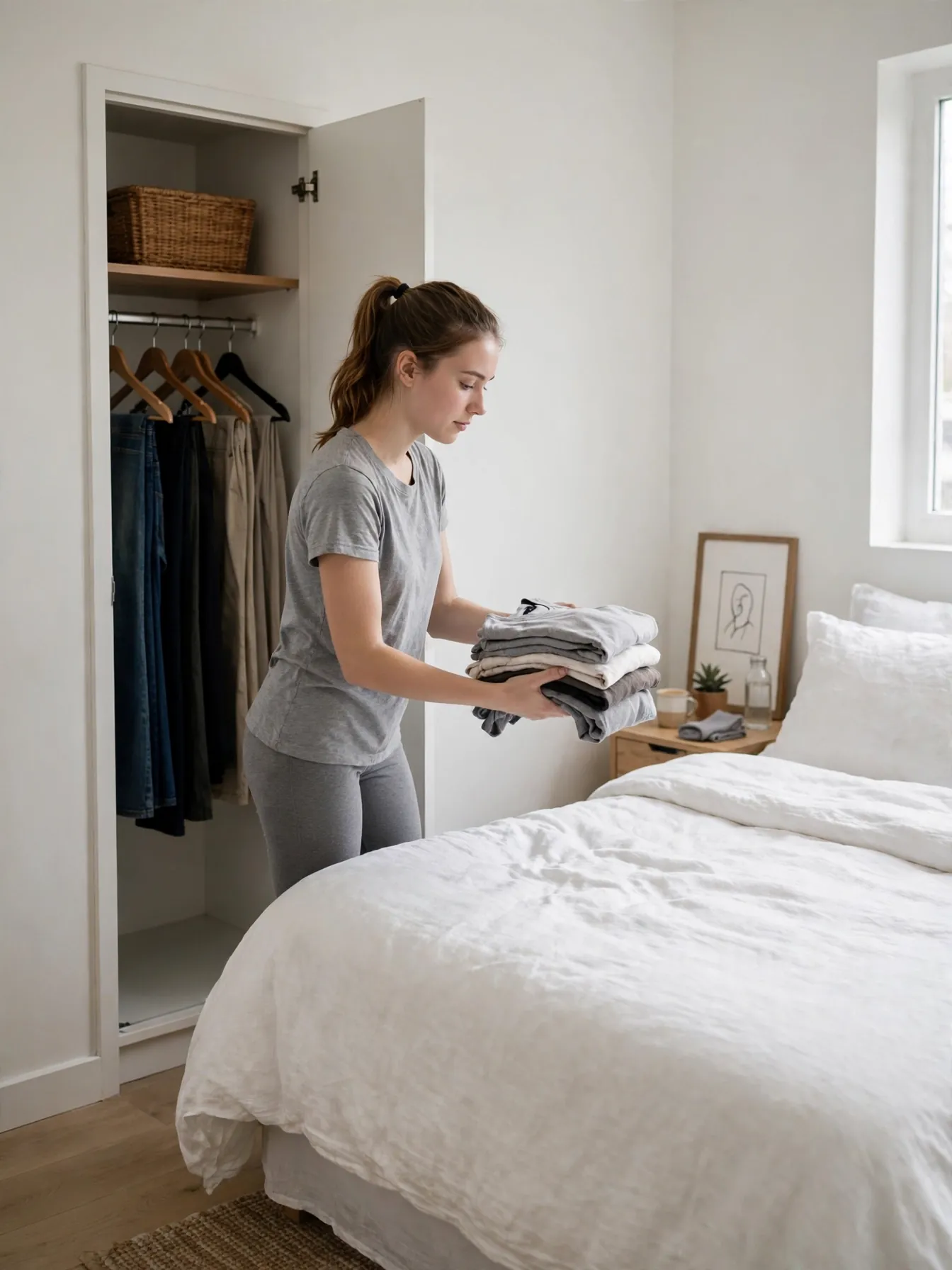
Forget the dramatic “empty the whole closet” advice. In a studio, there is nowhere to stage 200 garments. Work in zones instead: tops today, bottoms tomorrow, shoes on Sunday. Pull one category out, spread it on your bed, and finish that zone before starting the next. You keep your room livable and your decisions sharp.
Best for: Studio apartments with no spare staging area.
Try this: Start with tops; they sort the fastest.
Build The Four-Pile System

Decisions go faster with labeled piles. Set up four: keep, donate or sell, repair, and recycle. Touch every item once and commit it to a pile on the spot. “Taking out every piece is also the best and easiest way to rediscover forgotten treasures!” That is stylist Maggie Boynton’s advice in Who What Wear. The repair pile gets a deadline: if it sits for a month, it becomes a donate pile.
Best for: First-timers who stall on hard decisions.
Try this: Label four bags before you touch a hanger.
Flip Your Hangers For A 30-Day Test

Not sure what you wear most? Turn every hanger backward. When you wear something, hang it back the normal way. After 30 days, the backward hangers reveal your untouched clothes. It is the gentlest closet purge method there is, and it works on autopilot. No agonizing required. Renters love it because it needs zero new gear.
Best for: Anyone scared of purging too much.
Try this: Set a phone reminder for day 30.
Release The Fantasy-Self Pieces

Most of us keep clothes for a life we do not live. The usual suspects: gala gowns and “someday” jeans. In a small closet, each one costs real space. Thank it for the dream and let it go. Keep one or two true joy pieces if you must. The rest is rent paid in square inches.
Best for: Overstuffed closets in small bedrooms.
Try this: Keep one gala piece; release the rest.
Park Maybes In A Dated Box

Some pieces are hard calls. Box them, write today’s date on the box, and slide it under the bed. Set a phone reminder for three months out. If you never opened the box, donate the whole thing unopened. The date removes the guilt. You already lived without those clothes and never noticed.
Best for: Sentimental keepers and slow deciders.
Try this: Write the date on the box in marker.
Bag Donations And Remove Them The Same Day

Donation bags that sit in the corner creep back into the closet. It happens every time. Bag your donate pile the moment you finish sorting. Then get it out of the apartment that same day. Use a drop-off bin, a shelter, or a friend’s porch. Your reset is not done until the bags leave the building.
Best for: Small apartments where bags pile up fast.
Try this: Schedule the drop-off before you start sorting.
Count What Stays

Grab your phone’s notes app and tally the keepers. Say it reads 34 tops, 12 bottoms, 6 dresses, 9 pairs of shoes. Numbers beat vibes. You will spot the imbalance instantly. Forty tops and four bottoms tells its own story. Your future shopping gets a clear target. A wardrobe reset works best when you know exactly what you own.
Best for: Shoppers who buy duplicates by accident.
Try this: Tally by category, not by individual item.
Deep Clean The Empty Space
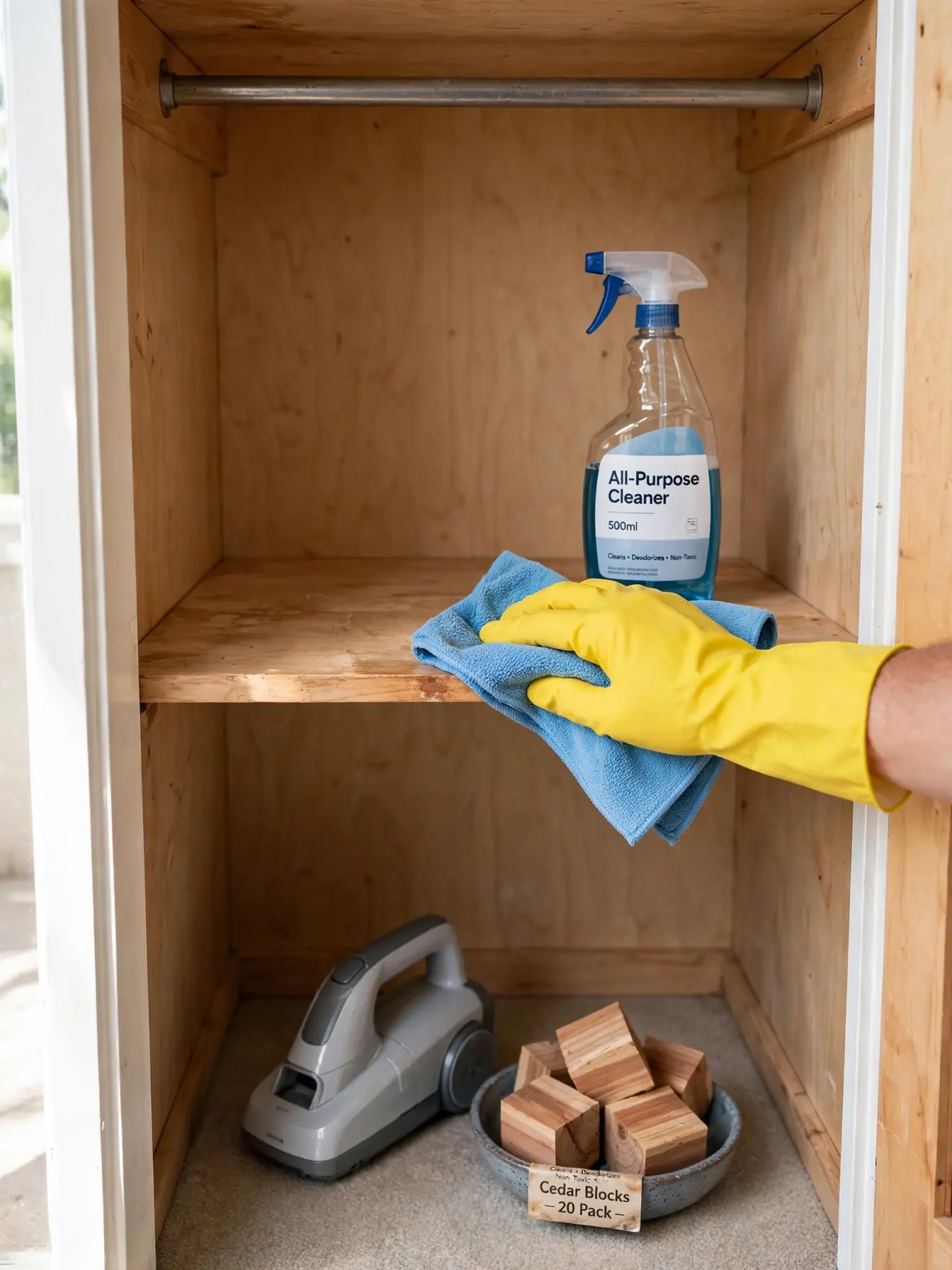
An empty closet is a rare chance. Vacuum the floor, wipe shelves with a damp microfiber cloth, and check corners for dust bunnies. Toss in a few cedar blocks or sachets to keep moths away from wool and cashmere. You will never have better access. Ten minutes now saves headaches later.
Best for: Closets that have not been cleaned in a year.
Try this: Work top to bottom so dust falls down.
Switch To Slim Velvet Hangers

Bulky plastic hangers eat inches you do not have. Slim velvet hangers are a fraction of the width. They grip clothes so nothing slides off. A matching set makes the whole closet look calmer. Replace them in one go for the full effect. Count your keepers first so you buy the right number.
Best for: Wire-hanger chaos and mixed hanger collections.
Try this: Buy one extra pack beyond your count.
Add A Second Hanging Rod

One rod wastes the air below it. A second rod doubles hanging space for shirts, blouses, and folded pants. Renters can use a tension rod wedged between the closet walls: no screws, no damage, removable in seconds. Hang short items up top and longer pieces below for a tidy double deck.
Best for: Single-rod closets with wasted air below.
Try this: Twist the rod to test the tension first.
Measure Before You Buy A Single Bin
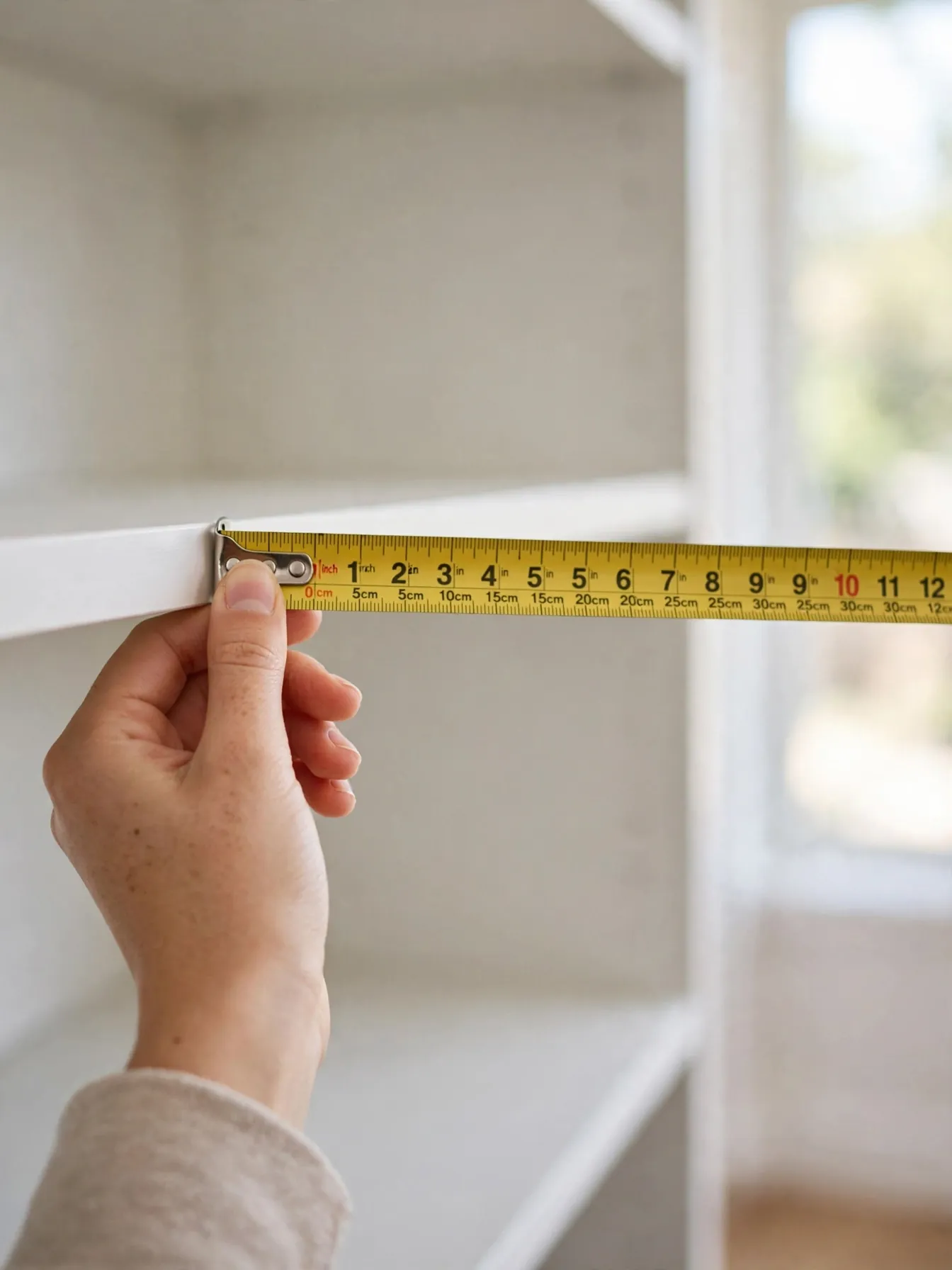
This is the step everyone skips. Measure your closet’s width, depth, and shelf heights with a tape measure, and keep the numbers in your phone. Every bin, divider, and hook you buy should match those numbers. Returns are a hassle. Measuring first is the cheapest organizing tool you own. It takes three minutes.
Best for: Anyone tempted by cute bins at the store.
Try this: Photograph the measurements for store trips.
Group By Category, Then By Color
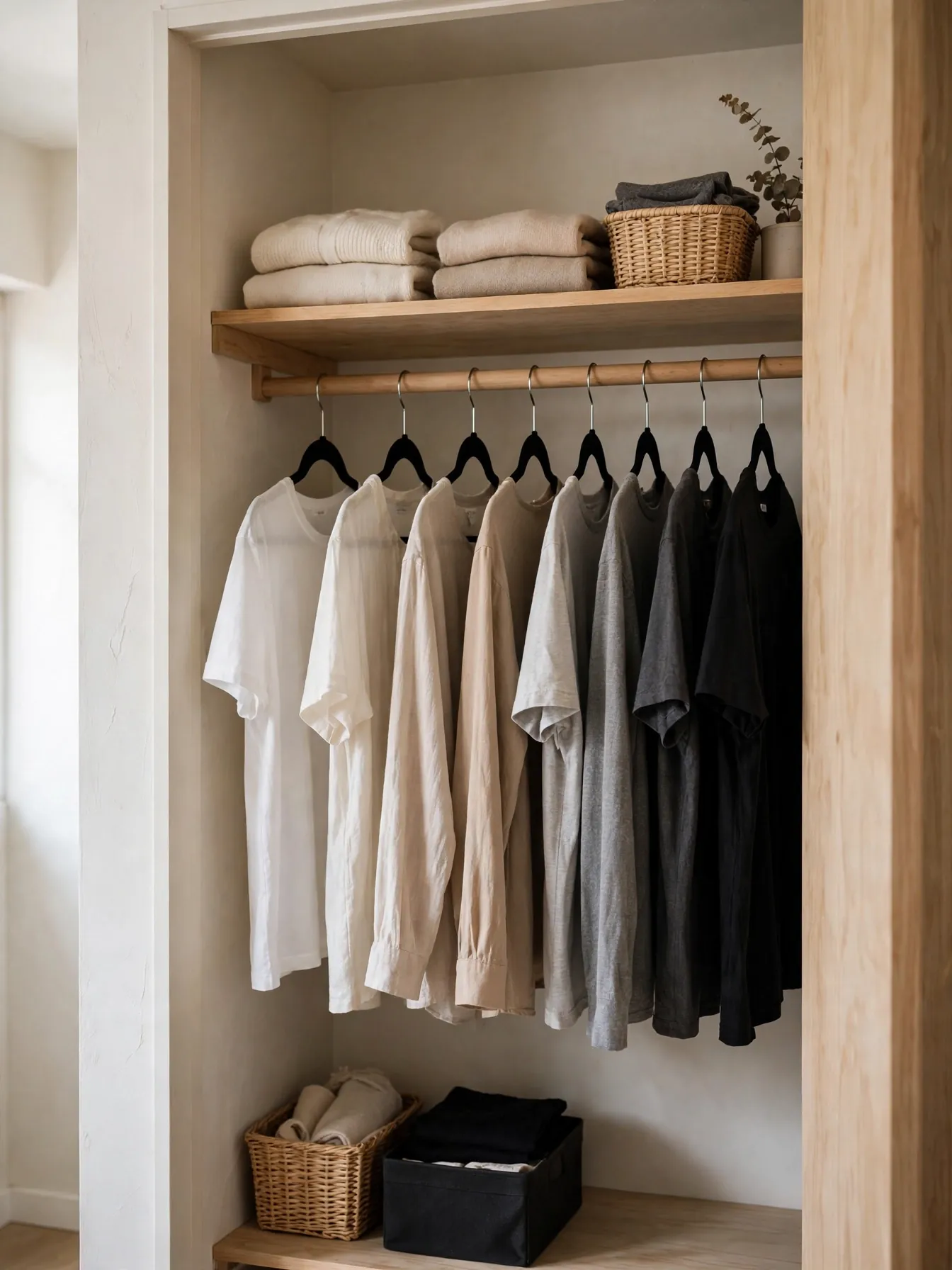
Hang all tops together, all pants together, all dresses together. Within each group, arrange light to dark. You will find things in seconds and spot duplicates you forgot you owned. The color flow makes a small closet look intentional. It costs nothing and takes twenty minutes. Start with your biggest category.
Best for: Visual thinkers who lose things in piles.
Try this: Pull one duplicate to donate as you sort.
Put The Closet Door To Work
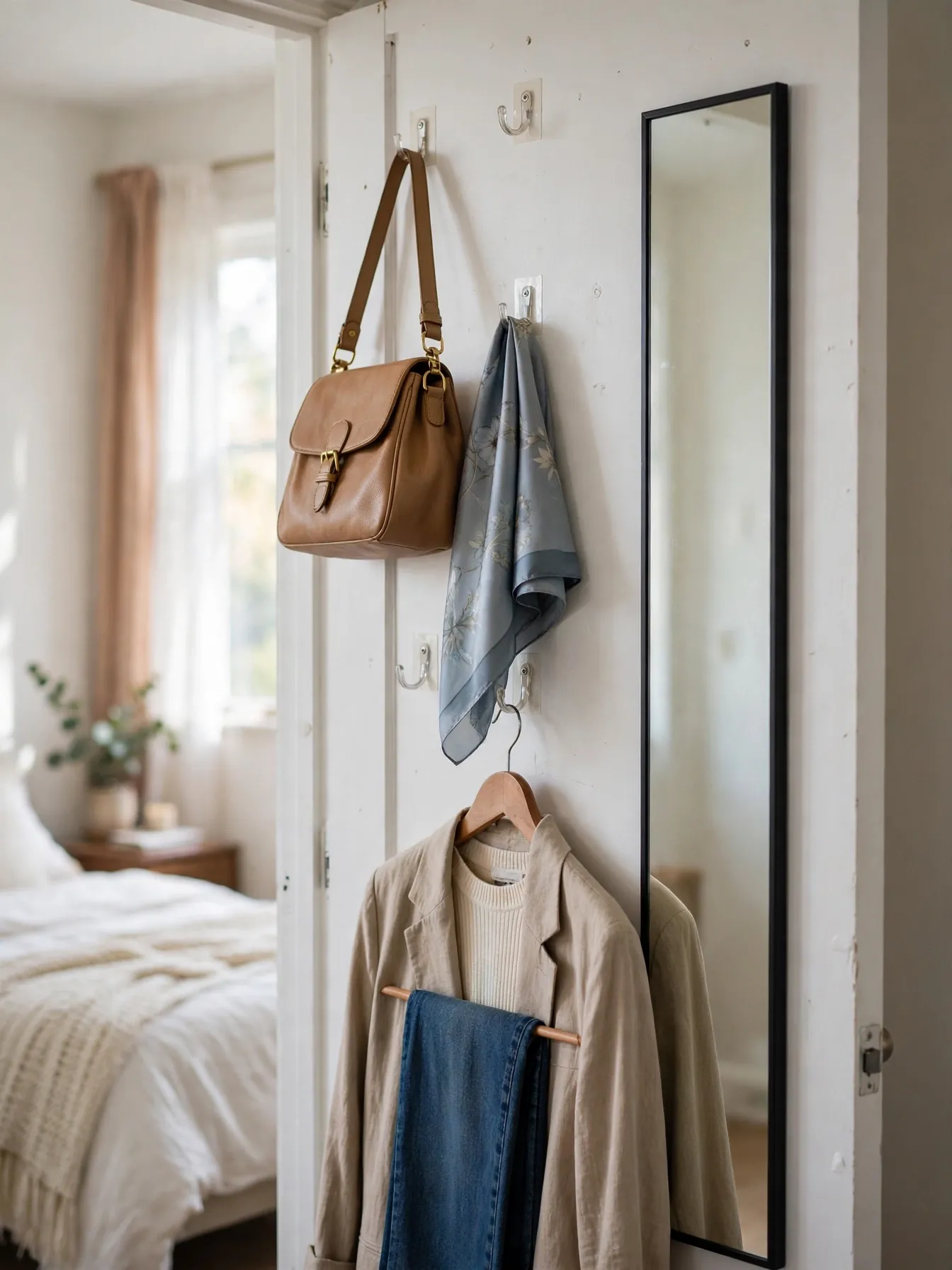
The back of the door is free real estate. Hang an over-door rack for tomorrow’s outfit. Add adhesive hooks for bags and scarves. Or mount a slim mirror with hidden jewelry storage. In a reach-in closet, the door often holds more than a whole shelf. Use every inch of it.
Best for: Reach-in closets with a usable door.
Try this: Stick hooks at eye level for daily pieces.
Add Shelf Dividers To Tame Stacks

Folded stacks lean, slide, and collapse. Clear acrylic shelf dividers stand between stacks and keep them upright. Jeans stay in their lane. Sweaters stop avalanching onto the floor. They need no tools: they clamp onto the shelf. One affordable pack usually covers a whole small closet. Measure your shelf depth before ordering.
Best for: Deep shelves where stacks topple.
Try this: Use one divider per stack, not per shelf.
File Fold Your Knits And Tees
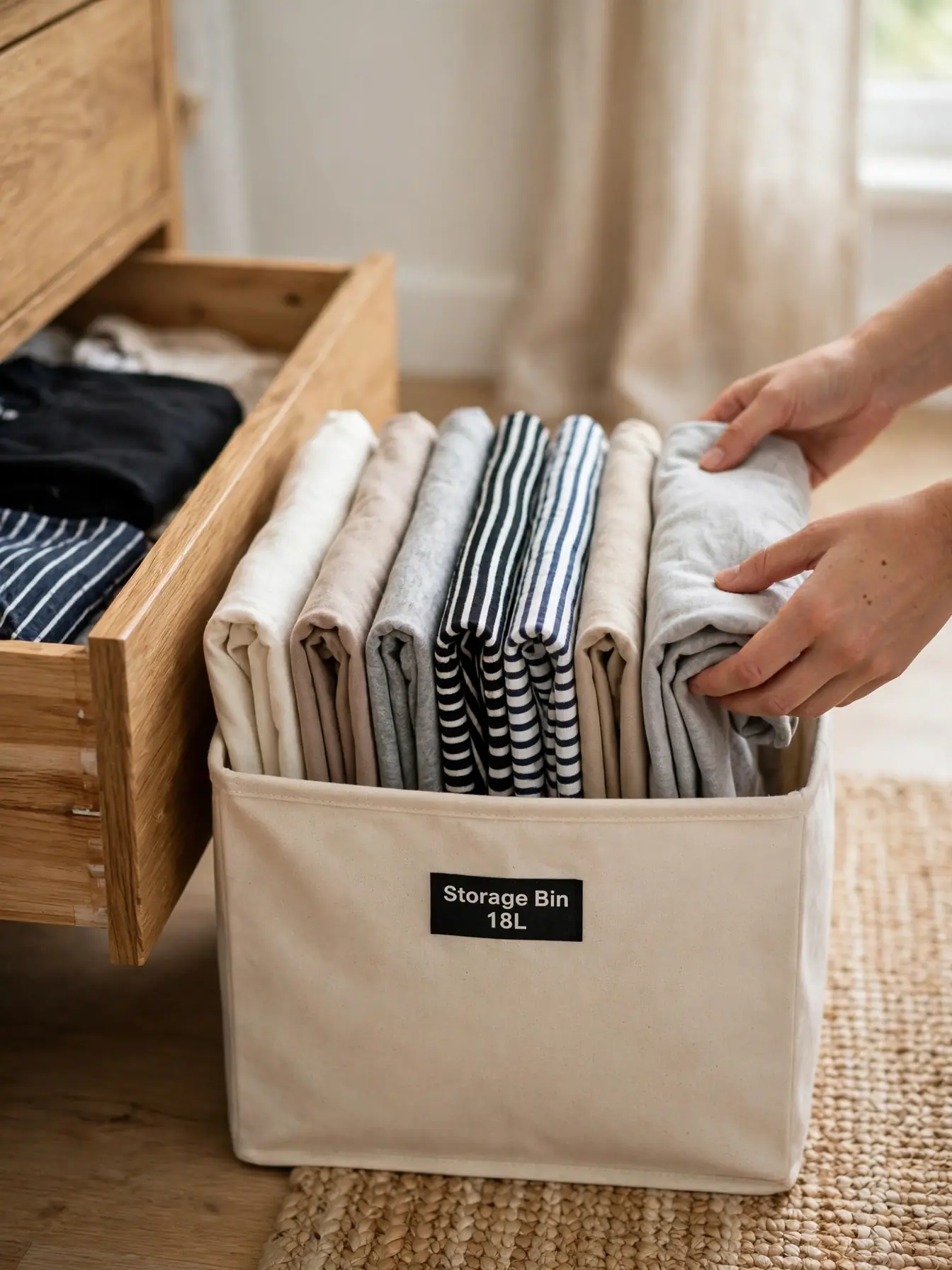
Stacked tees hide the bottom half of the pile. File folding stands each piece upright like folders in a drawer, so you see every tee at a glance. Fold knits into tight rectangles and line them up in a shallow bin. You will stop rebuying black tees you already own.
Best for: Drawer-less dressers and shallow shelves.
Try this: Stand folded tees in a shoebox first.
Vacuum-Seal The Off-Season
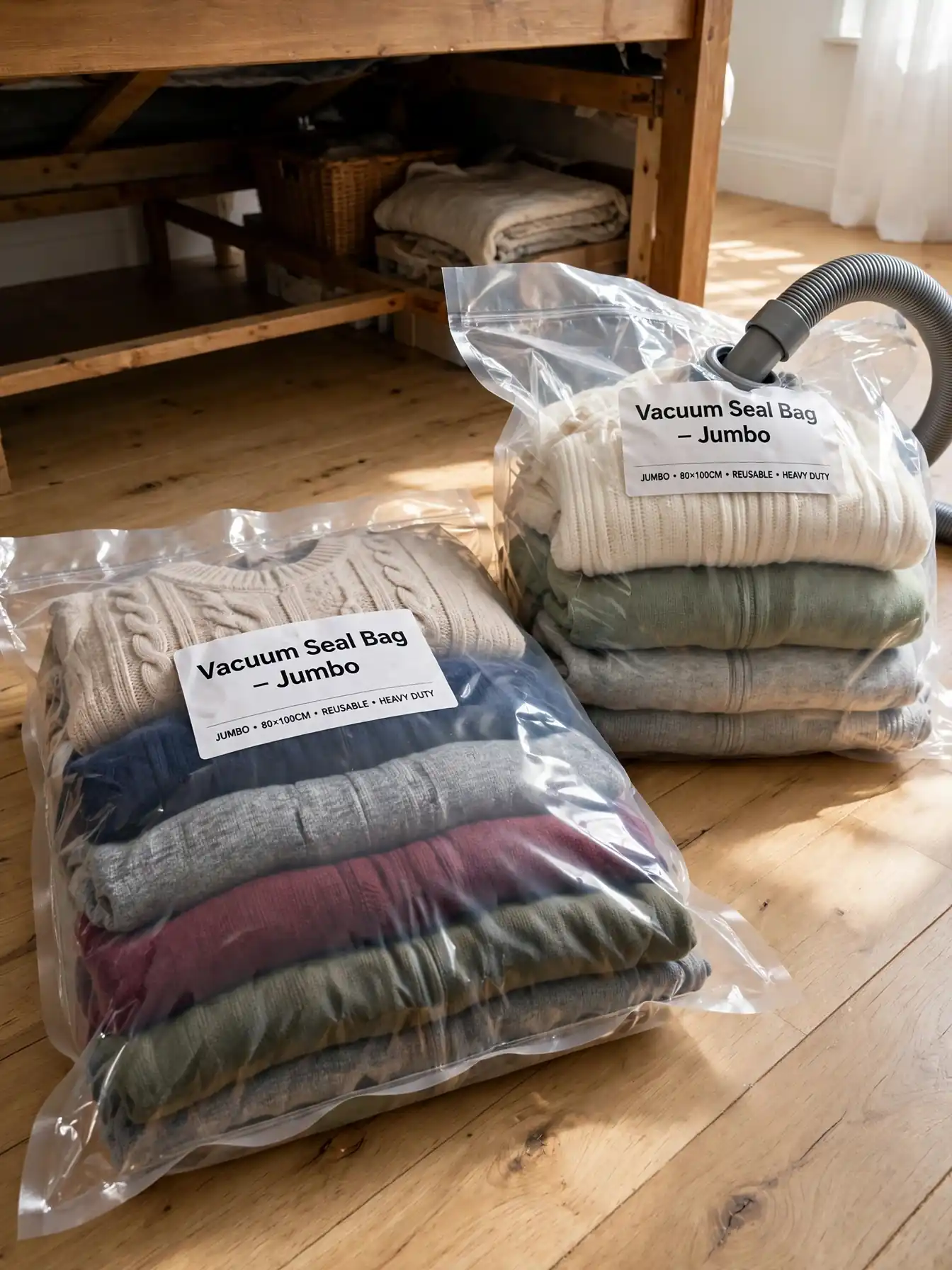
Bulky sweaters and puffer coats should not hog prime space in July. Vacuum-seal bags shrink them to flat packs you can slide under the bed or onto a high shelf. Roll the air out, seal, and label each bag. When the season turns, swap them back in and seal the other half away.
Best for: One-closet apartments in four-season climates.
Try this: Suck the air out with a vacuum hose.
Corral Accessories On Wall Hooks
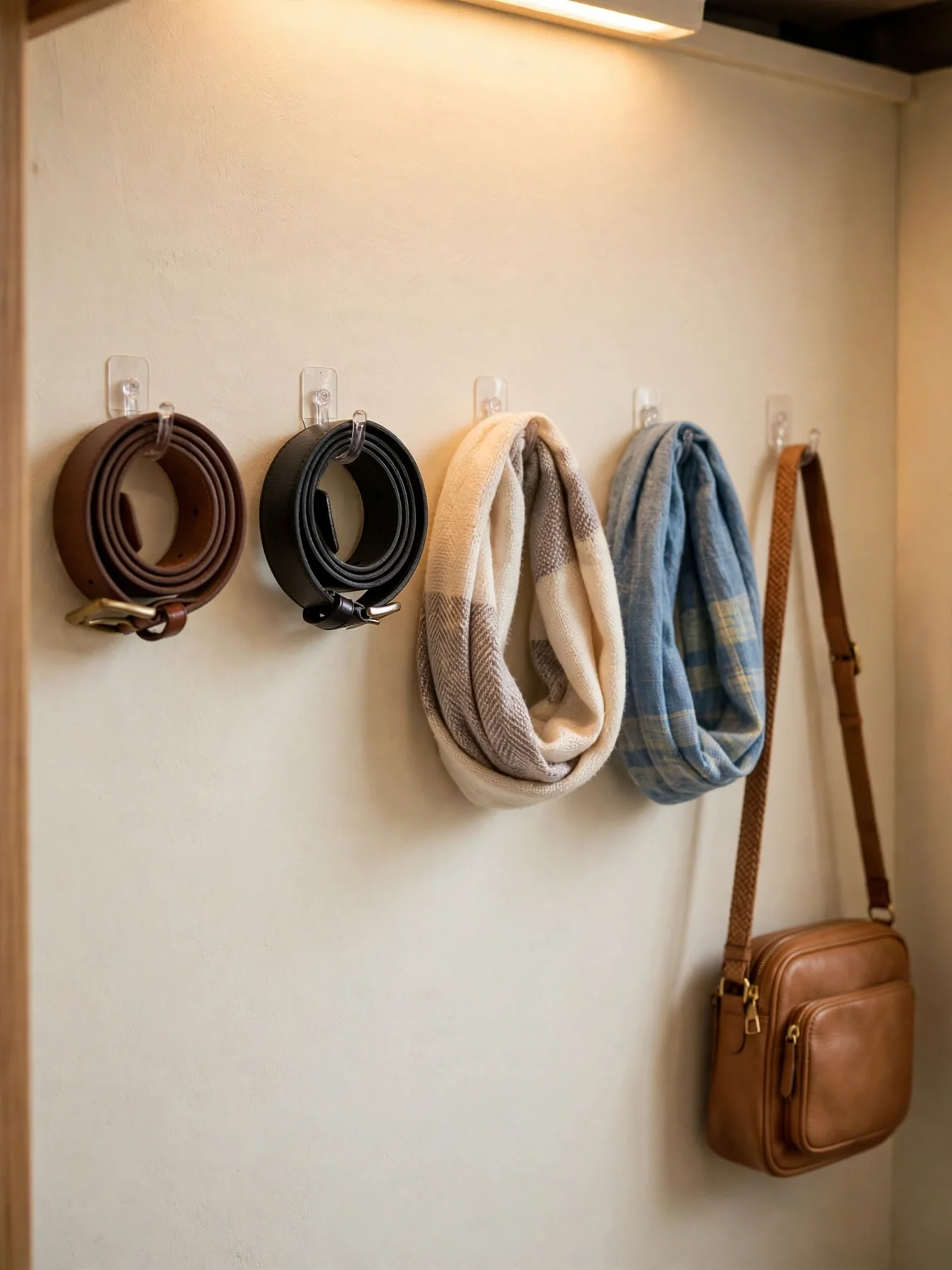
Belts, scarves, and bags tangle in drawers. A row of adhesive wall hooks inside the closet keeps them visible and grab-ready. Hang bags by their straps, loop scarves over two hooks, and give belts a single row. When accessories are visible, you will wear them more. Renters: adhesive hooks peel off cleanly.
Best for: Jewelry and scarf collections lost in drawers.
Try this: Hang tomorrow’s accessories tonight.
Give Shoes A Slim Vertical Home
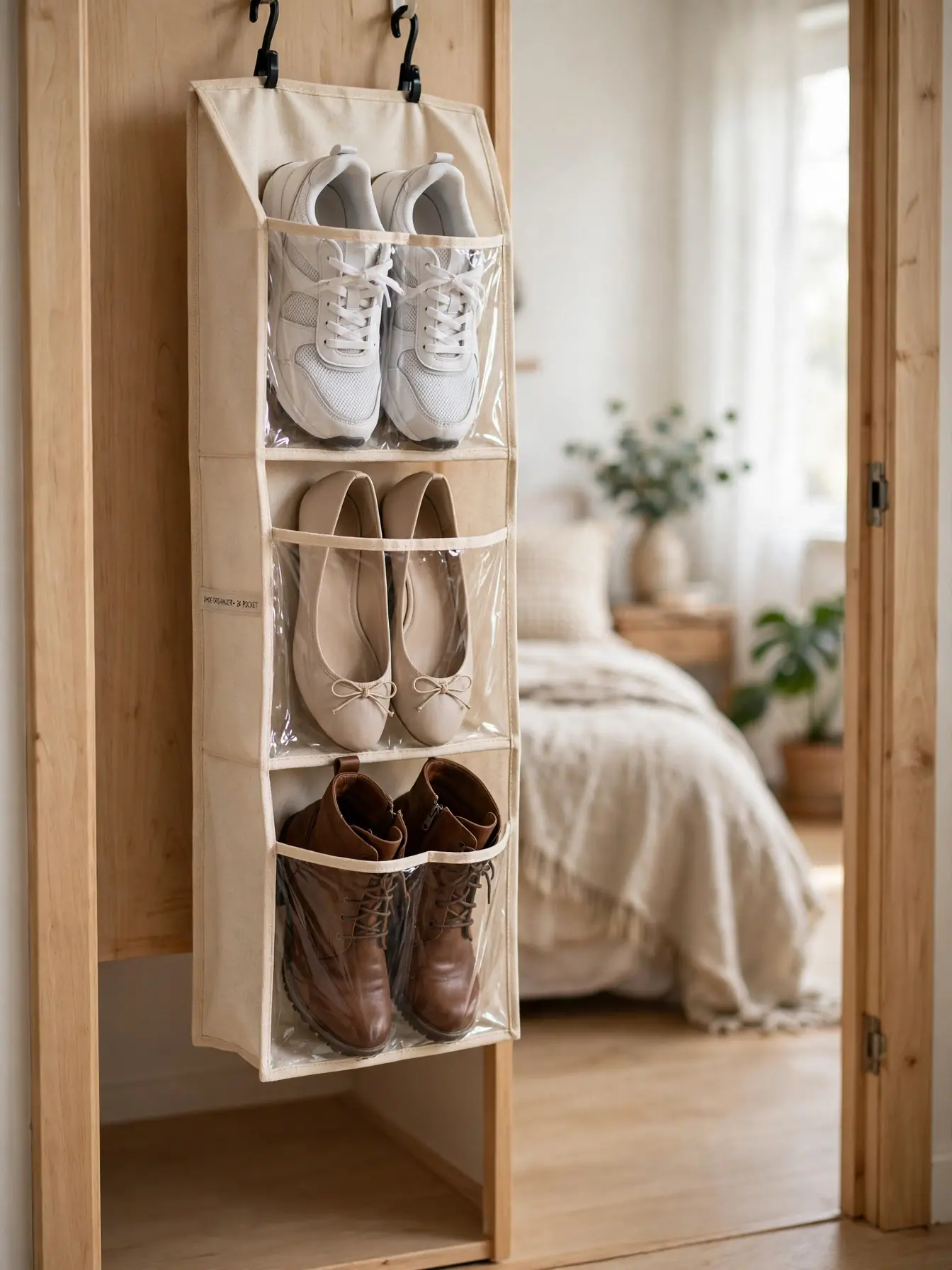
Shoes eat floor space fast. An over-door shoe organizer or a narrow stackable rack moves them vertical, where space is free. Keep daily pairs at eye level and occasion shoes up high. Cap the collection at what the rack holds. If a new pair arrives, an old one leaves. It is the easiest tiny closet storage win there is.
Best for: Floor-dwelling shoe piles.
Try this: Place daily pairs at eye level.
Create A Wore-Once Landing Spot

Jeans you wore once are not dirty, but they are not clean either. Without a plan, they land on the chair. Give them a home: one hook, one basket, or one shelf section near the closet. Empty it weekly. This single habit prevents most closet pile-ups. It takes ten seconds a day.
Best for: The dreaded bedroom chair.
Try this: Empty the spot every Sunday night.
Build Ten Outfit Formulas From Your Keepers
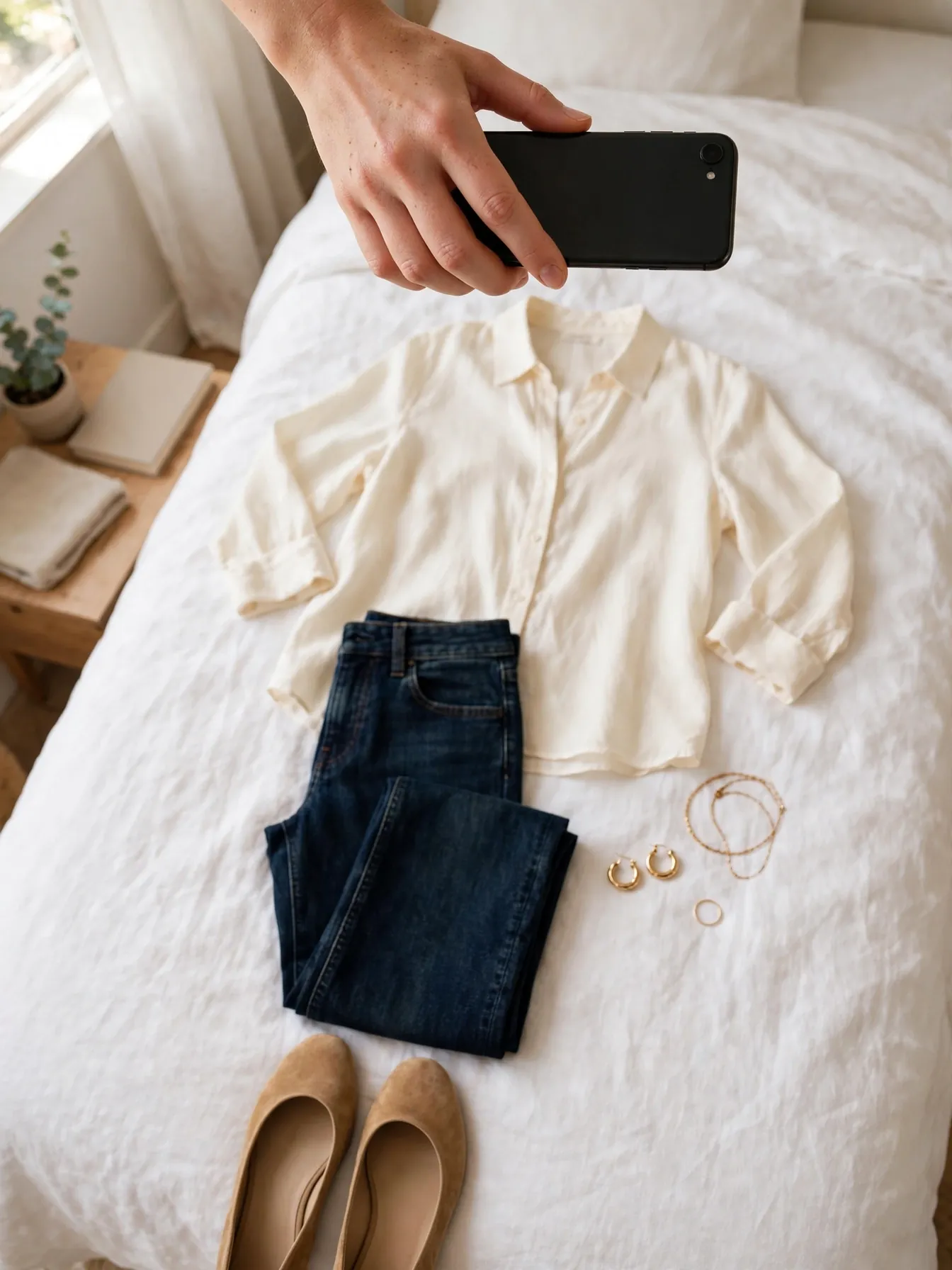
A reset brings tidier shelves and easier mornings. Lay out ten outfits from your keepers and photograph each one. Save them in a phone album called “outfits.” On busy mornings, scroll and wear. You will discover your keepers mix better than you thought. It is a starter capsule wardrobe made only from keepers.
Best for: Mornings that currently take too long.
Try this: Photograph each formula in daylight.
Pick A Tight Color Palette

Clothes in clashing colors never quite work together. Choose two neutrals you love, like black and cream or navy and gray, plus one accent color. When future buys fit the palette, everything starts matching. Getting dressed turns into mix-and-match instead of guesswork. Tape a swatch card inside the closet door. Check it before you shop.
Best for: Closets full of colors that clash.
Try this: Remove one off-palette piece this week.
Keep A Running Need List

Most closet clutter starts as impulse buys. Keep a “need” list in your phone. Examples: black ankle boots, a warm layer for the office, a belt that fits. When you shop, buy from the list. Your wardrobe reset stays intact because every new piece has a job waiting. No list, no purchase.
Best for: Impulse buyers and sale-season shoppers.
Try this: Add to the list the moment you think of it.
Swap Seasons Twice A Year
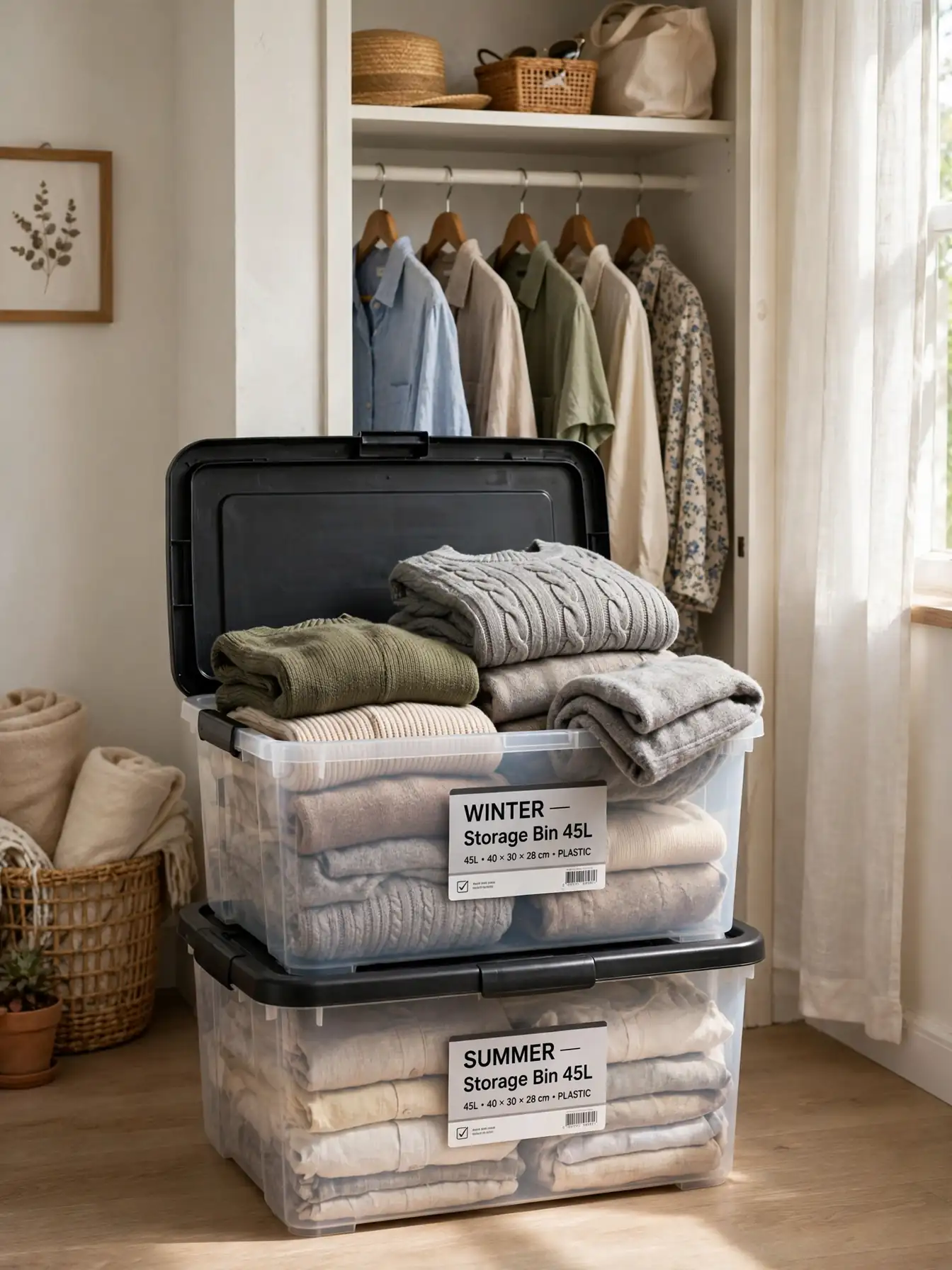
A small closet cannot hold four seasons at once. Twice a year, move the off-season out. Use sealed bags under the bed, a high shelf, or a storage tote in a corner. Bring the current season front and center. Your daily closet then holds only what you wear. Mark it on your calendar now.
Best for: Single closets holding all four seasons.
Try this: Do the swap when the weather shifts for good.
Run A Ten-Minute Weekly Reset

A wardrobe reset fades without maintenance. Pick one weekly slot and set a timer for ten minutes. Each session has three jobs: rehang strays and empty the wore-once spot. Then pull one item that no longer earns its place. Small effort, weekly. Your closet stays reset all year. Put it on the calendar like an appointment.
Best for: Anyone whose closet reverts to chaos monthly.
Try this: Tie it to an existing habit, like laundry day.
Mistakes That Undo A Wardrobe Reset
Buying organizers before decluttering is the classic error. Pretty bins hide the same overstuffed mess. Purge first, measure second, buy last.
The second mistake is copying a walk-in system into a reach-in closet. A setup designed for a dressing room will drown a four-foot closet. Scale every idea to your actual inches.
Third: skipping the landing spot and the weekly reset. Without a maintenance routine, even a good wardrobe reset slides back in a month. Systems beat willpower.
Still stuck on a shared closet or a no-closet bedroom? Send the details through our contact page and we will fold reader puzzles into a future guide.
Wardrobe Reset FAQs
How Long Does A Wardrobe Reset Take?
Plan one weekend for the full reset. Budget four to six hours for a small closet, split across two days. The weekly reset takes ten minutes. The hanger test runs for 30 days in the background.
What Is The 30-Day Hanger Trick?
Turn every hanger backward. When you wear an item, rehang it the normal way. After 30 days, anything still backward is unworn. Those pieces are your prime donation candidates.
How Many Clothes Should I Keep In A Small Closet?
There is no magic number. A useful test: if every piece fits on your hangers and shelves with breathing room, the count works. If you are forcing the rod shut, keep purging.
How Do I Reset My Wardrobe As A Renter?
Use a renter friendly closet system. Choose tension rods instead of drilled rods. Pick adhesive hooks over screws, and add a freestanding garment rack for overflow. Everything comes down cleanly on move-out day.
What Should I Do With The Clothes I Remove?
Donate clean, wearable pieces to a local shelter or charity shop. Sell quality brands through resale apps or consignment. Recycle stained or torn items through a textile recycling program instead of the trash.
How Do I Keep My Wardrobe Reset From Unraveling?
Follow the one-in-one-out rule: every new piece means one old piece leaves. Pair it with a ten-minute weekly reset routine. Two small habits protect the whole system.
Final Thoughts
A wardrobe reset is not about owning less for its own sake. It means opening your closet to clothes you like, clothes that fit, and a space you can keep tidy. That feeling is worth one weekend. No more digging, no more guessing. Start tonight: flip your hangers backward and set a date for the full reset. Your mornings are about to get easier.


4 Comments