22 Afrobohemian Home Decor Ideas for Cozy Small Spaces
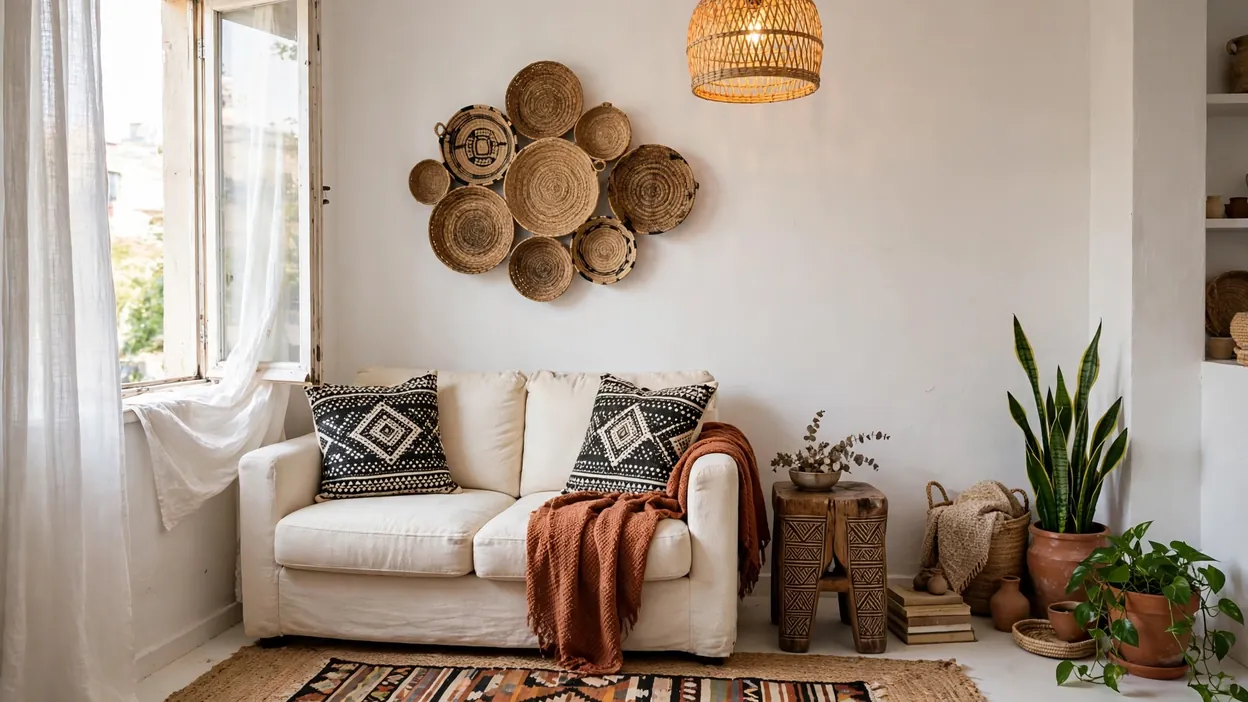
Afrobohemian home decor turns a plain rental into a room that feels warm, layered, and completely yours. The core promise is simple: African-inspired patterns, handmade textures, and relaxed boho layering that work even in 400 square feet. Most style guides show this look in sprawling houses. Small apartments get the same payoff with a tighter edit. You do not need new furniture or a big budget. You need pattern, texture, and a few honest materials.
Most pieces here cost little, need no tools, and move with you to the next place. This guide gives you 22 afrobohemian home decor ideas built for small rooms, and every one suits a renter, a tight floor plan, or both. Pick three to start, and your rooms will feel different by the weekend.
What Is Afrobohemian Home Decor?
Afrobohemian home decor blends African-inspired art, patterns, and handcrafted pieces with relaxed bohemian layering to create warm, soulful rooms. Picture mudcloth pillows on a simple sofa, woven baskets hung as wall art, carved wood beside rattan, and plants softening every corner. The style favors natural materials over glossy finishes and story over symmetry. It suits small spaces because it builds character through textiles and texture, not bulky furniture.
You do not need to buy everything at once. Start with one textile or artwork you love, then layer around it slowly. Renters do well with afrobohemian home decor because the biggest moves (pillows, throws, baskets and art) need no drilling and no paint.
1. Stack Mudcloth Pillows in Odd Numbers
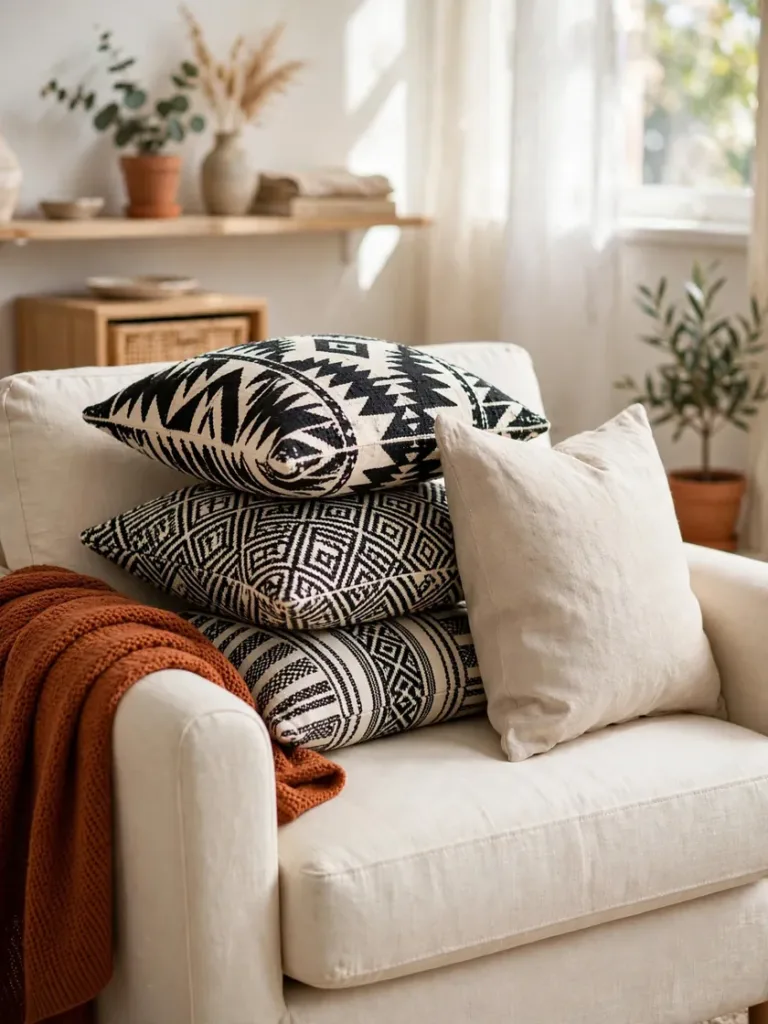
Mudcloth pillows are the fastest route into afrobohemian home decor. The graphic black-and-white patterns read bold from across the room, even on a small loveseat. Authentic bogolan cloth is hand-dyed with fermented mud in Mali, so each piece carries slight variations that prints cannot fake. Mix two patterns with one solid linen pillow to keep the stack calm. Odd numbers look more gathered than pairs.
Best for: Small sofas and loveseats that need instant personality.
Try this: Put the largest pillow at the back and angle the front one slightly off-center.
2. Layer a Jute Base Rug Under a Patterned Top Rug
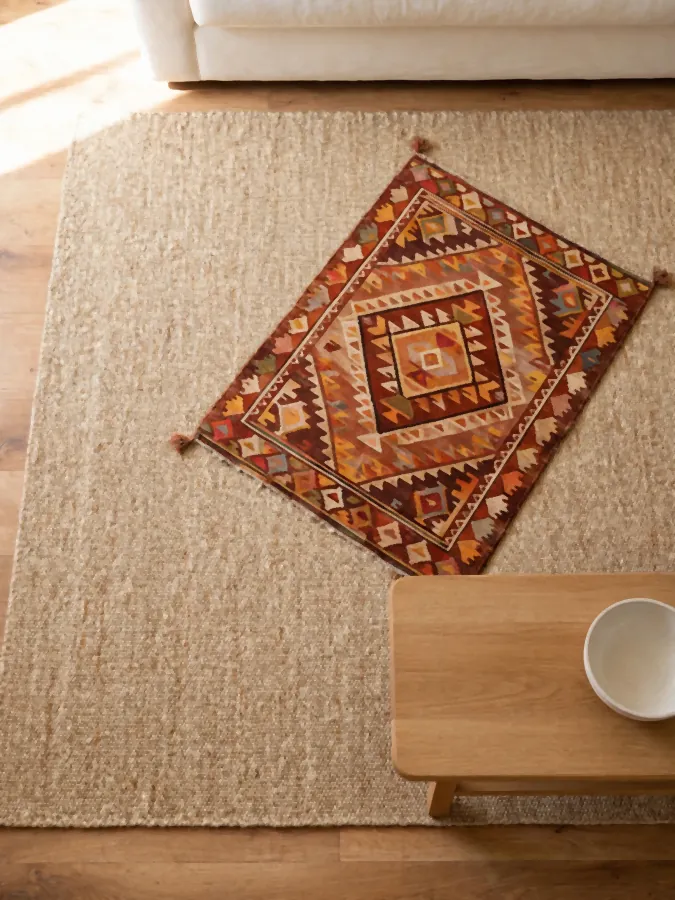
Layered rugs create the traveled feeling this style is known for. Start with an affordable jute base that fits the room’s footprint. Add a smaller patterned rug on top at a slight angle. The base grounds the space while the top rug delivers the pattern. In rentals this also protects floors and warms up cold tile. Keep the top rug at least a foot smaller on each side so both layers read clearly.
Best for: Studio apartments and living rooms with hard floors.
Try this: Pick a top rug with one warm tone (rust, ochre, clay) to tie into wood furniture.
3. Hang Woven Baskets as a Wall Gallery
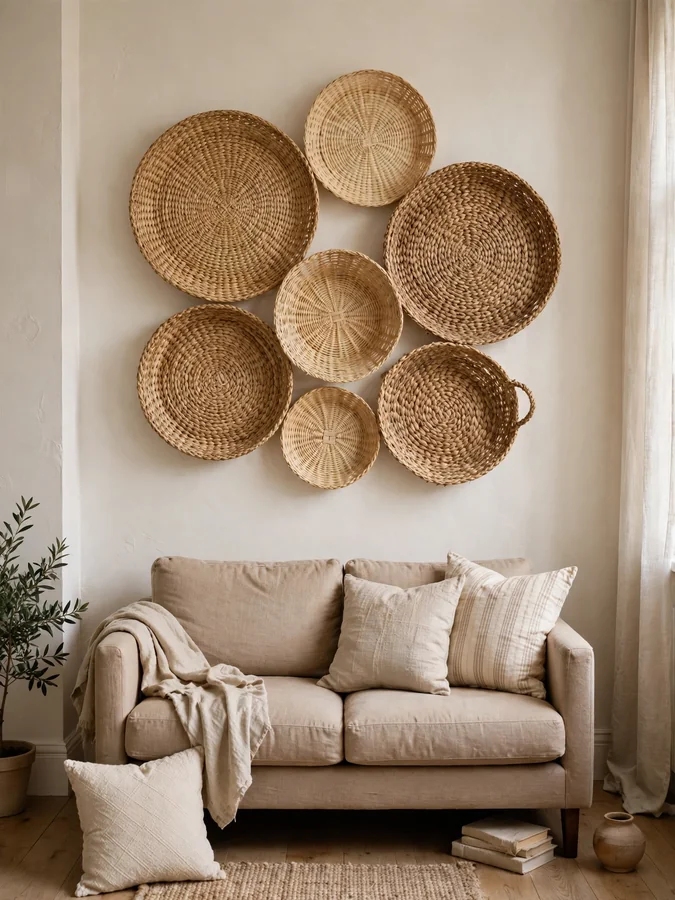
Flat woven baskets make striking wall art that costs little and weighs almost nothing. Arrange five to nine baskets in a loose cluster above a sofa or bed. Vary the sizes and weave patterns for depth. Command strips hold light baskets without drilling, which renters appreciate. This fills a big blank wall for the price of one framed print. Natural fibers add a warmth that flat paint cannot.
Best for: Blank walls in living rooms and bedrooms.
Try this: Trace the layout on kraft paper first, then tape the paper up before hanging.
4. Anchor a Corner With a Hand-Carved Wooden Stool
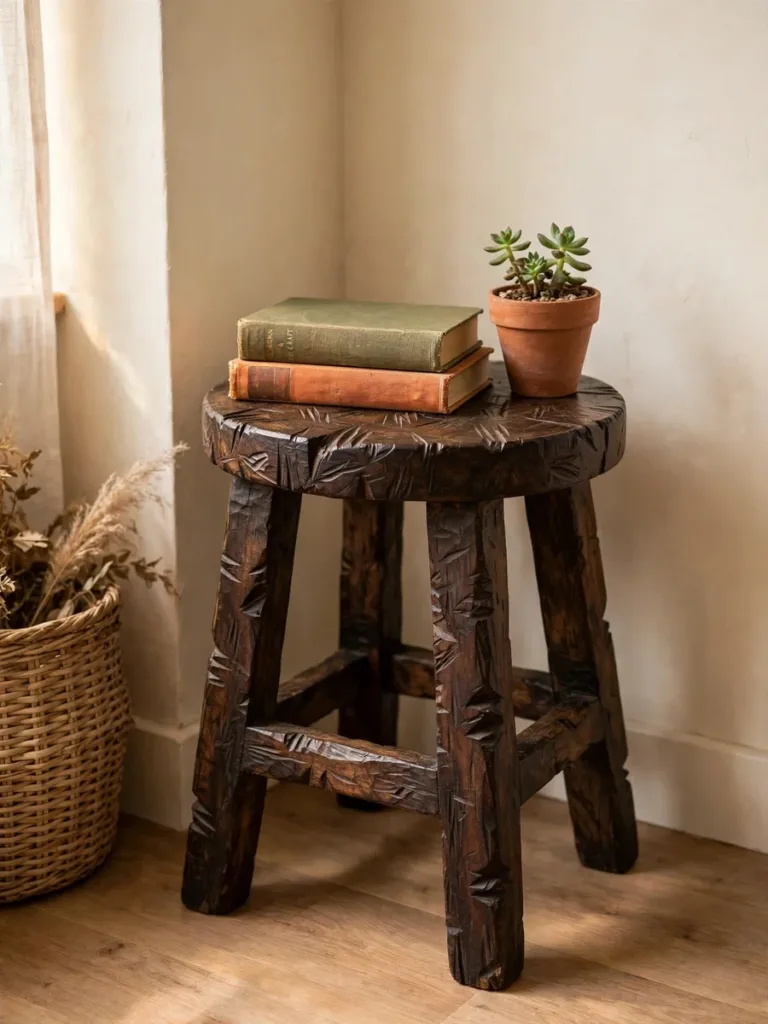
A sculptural wooden stool works as both a side table and an art object. Hand-carved acacia or mango wood brings a weight that balances soft textiles. Use it beside a chair for books and tea, or let it stand alone in an empty corner. Small rooms benefit because one strong piece replaces a cluster of small decor. Look for stools with visible tool marks, which signal real handwork.
As designer Smith told Apartment Therapy, shape carries this style: “Shape matters most here; strong silhouettes and organic forms elevate the space and reinforce the collected, curated feel of Afrohemian design.”
Best for: Awkward empty corners and beside reading chairs.
Try this: Style it with a single object, like a small plant or two stacked books.
5. Drape an Adire Throw Over the Sofa Arm
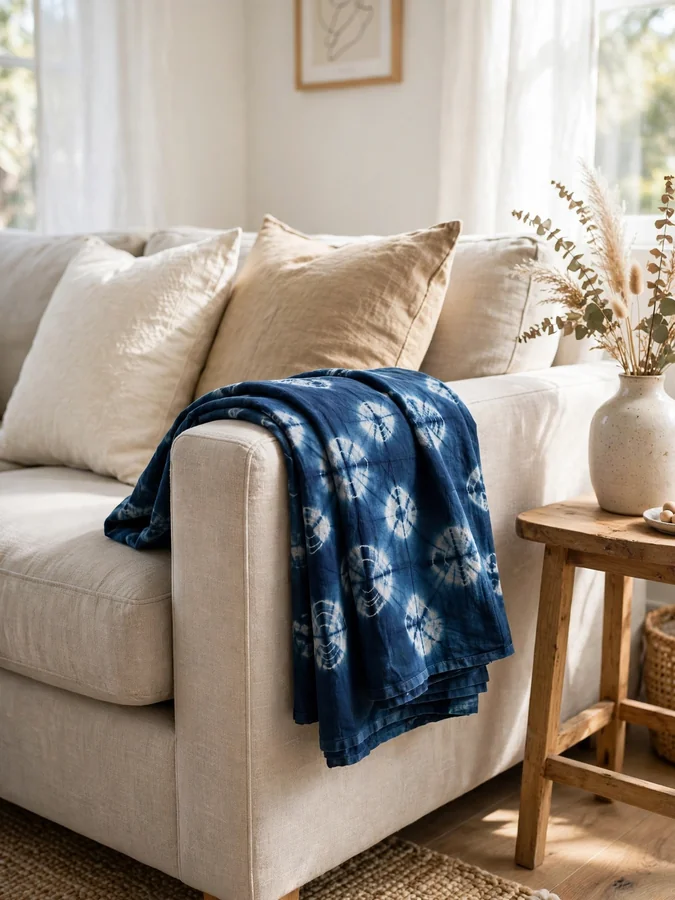
Adire is a Yoruba indigo-dyeing tradition from Nigeria, and its deep blue patterns cool down warm rooms. Drape a real adire throw over one sofa arm or the foot of the bed. The indigo reads as a neutral from a distance but rewards a closer look. Pair it with cream and tan for a coastal palette, or with rust for contrast. One throw changes a whole seating area. Rub a damp white cloth on a hidden edge first to check the dye is set.
Best for: Neutral sofas that need one strong accent.
Try this: Fold it in thirds lengthwise so the pattern shows in a tidy band.
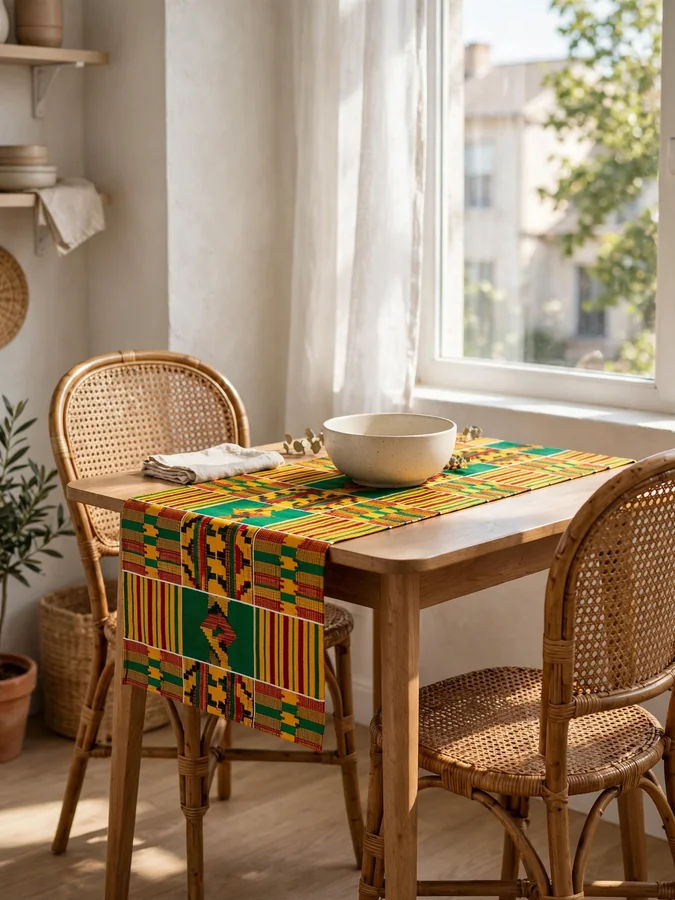
6. Run a Kente-Inspired Runner on the Dining Table
Small-apartment dining tables often double as desks, so they deserve real styling. A kente-inspired runner in gold, green, and red brings ceremony to weeknight dinners. Traditional kente is a handwoven Ghanaian textile with symbolic patterns, and printed versions capture the look for less. Keep the rest of the table simple so the runner stays the star. It resets the table visually between work mode and dinner mode.
Best for: Small dining tables and multipurpose work tables.
Try this: Leave six inches of bare table at each end so the runner feels placed, not pasted.
7. Swap the Ceiling Light for a Rattan Pendant
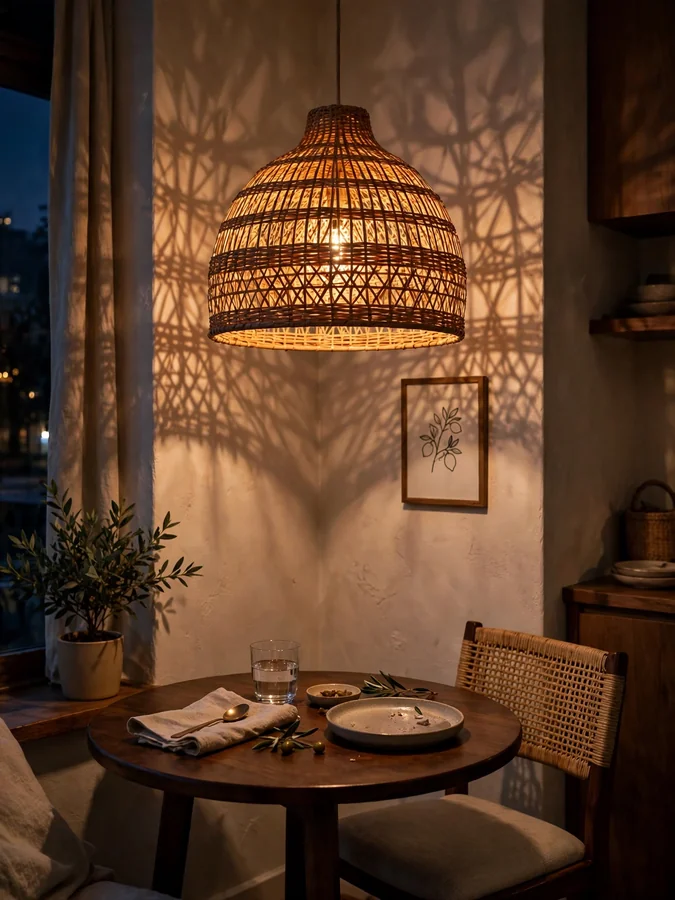
Overhead lighting sets the mood more than any pillow can. A rattan pendant casts patterned shadows and a warm glow that flatters the whole room. Plug-in swag versions exist for renters who cannot hardwire. Hang it low over a dining table or reading spot, about 30 inches above the surface. The woven shade works as sculpture by day and lantern by night. Choose natural rattan over dark stain so small rooms keep feeling tall.
Best for: Dining nooks and dark rental living rooms.
Try this: Use a warm 2700K bulb; cool white kills the cozy effect fast.
8. Cluster Terracotta Pots With Leafy Plants
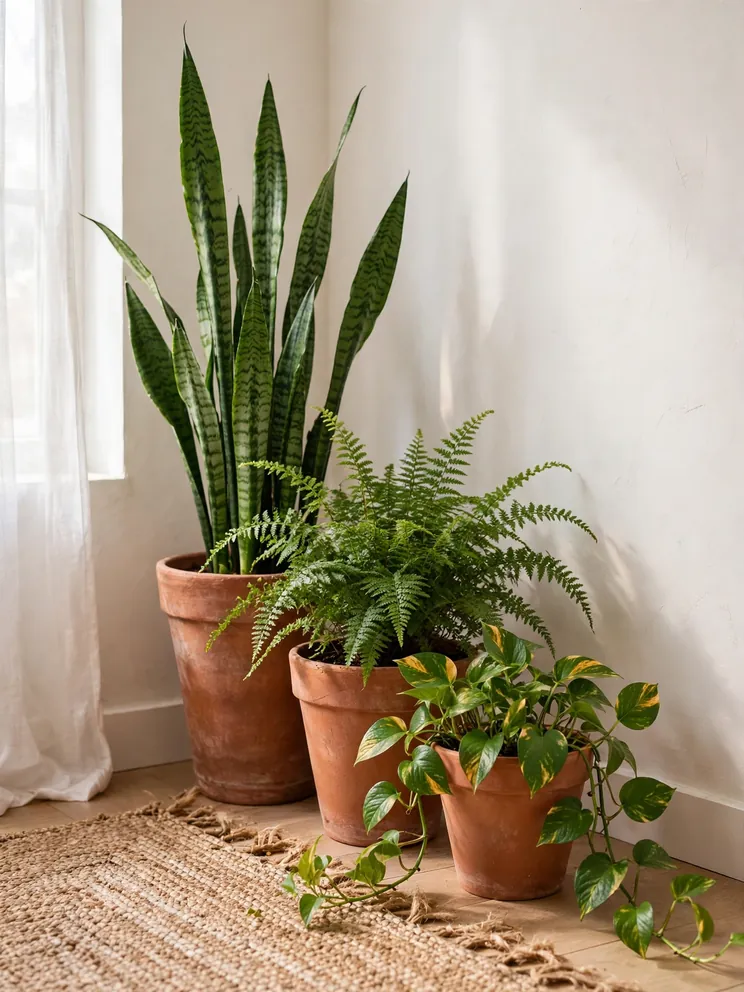
Plants are non-negotiable in afrobohemian home decor. They add the living layer that makes rooms feel tended. Group three terracotta pots of different heights in one corner: a tall snake plant, a trailing pothos, a bushy fern. Terracotta’s clay tone echoes the warm textile palette. In tiny rooms, hang one plant and keep two on the floor to save surface space. Water only when the top inch of soil dries.
Best for: Empty corners and beside windows.
Try this: Slip nursery pots inside the terracotta so watering never stains floors.
9. Frame One Bold Piece of African Art
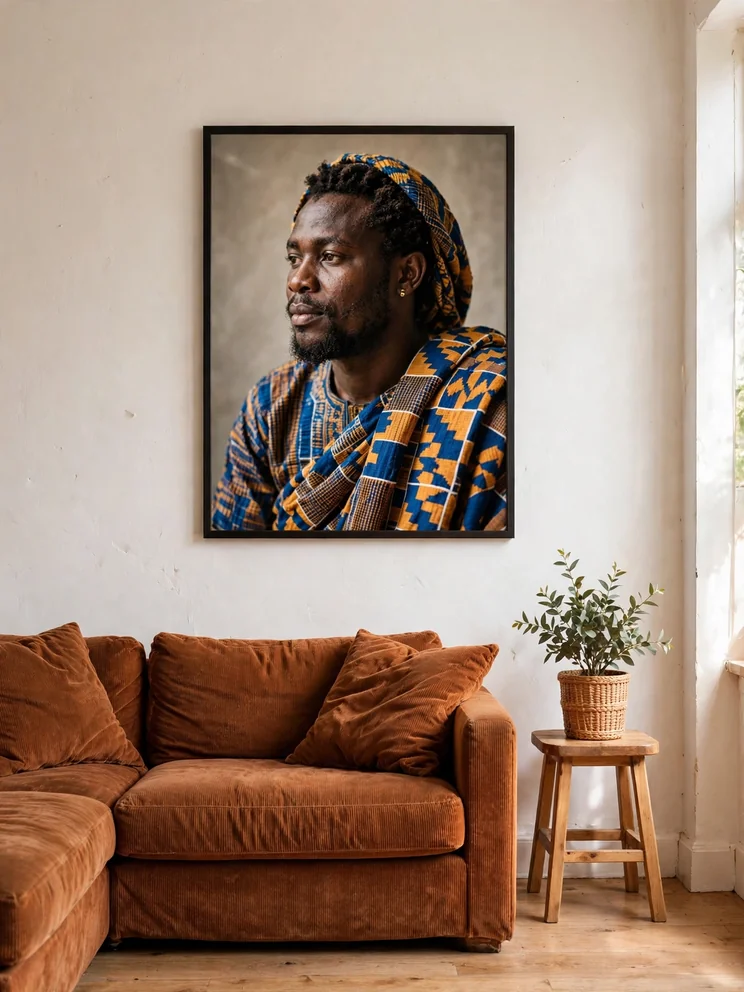
One large artwork beats five small prints in a small room. Look for African portrait photography, abstract paintings in earthy palettes, or framed textile art. Hang it at eye level where you see it most, usually above the sofa or opposite the bed. A single strong focal point gives the eye a place to rest. It also tells guests what the room is about before they notice anything else.
Best for: Living room focal walls and bedroom walls.
Try this: Keep the frame thin and dark so the art carries the weight, not the frame.
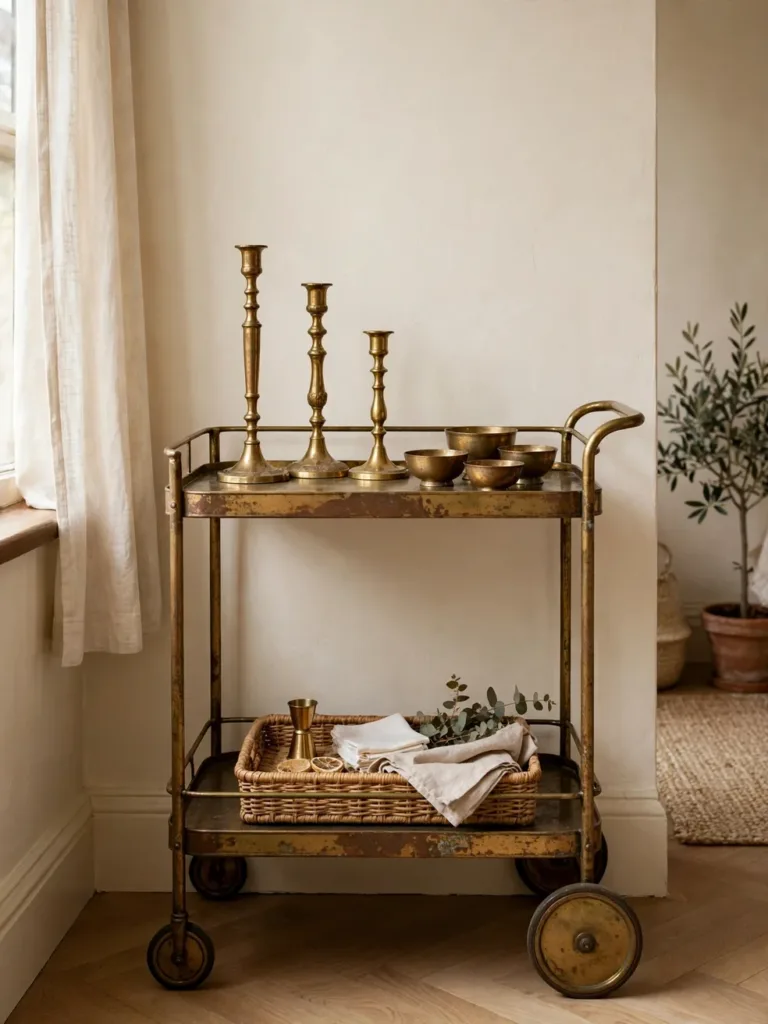
10. Style Vintage Brass on an Antique Bar Cart
Vintage brass candlesticks, small bowls, and figurines add the glint this earthy style needs. An antique bar cart makes a fine rolling display for them, and it moves aside when you need floor space. Style the top shelf with three brass pieces of different heights and the lower shelf with a woven tray. Warm metal plus natural fiber feels storied rather than staged. If your cart holds bottles, give one shelf to the brass vignette. For more cart styling, see these antique bar cart ideas for small spaces.
Best for: Collectors with small objects and no shelf space.
Try this: Polish only half the brass; mixed shine and patina look more real.
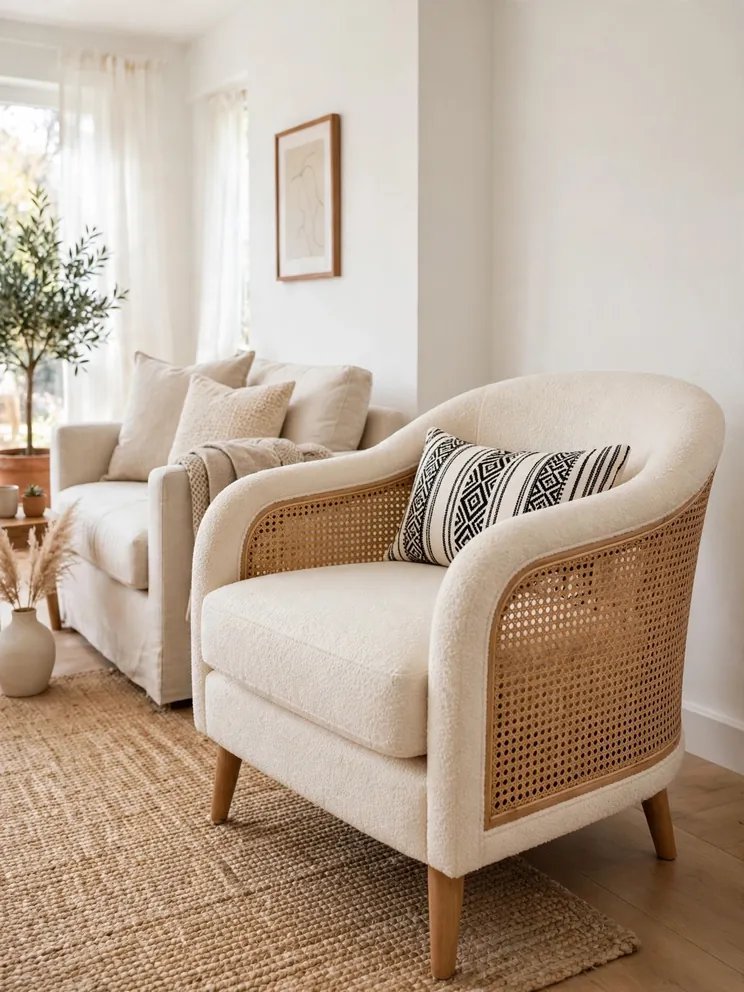
11. Add a Boucle Chair With Cane Detailing
Every small living room needs one chair that invites sitting. A boucle armchair with cane detailing delivers the nubby texture this style loves. Boucle’s looped weave reads soft and sculptural at once. Keep the chair in cream or oatmeal so patterned pillows can rotate with the seasons. Angle it toward the sofa to create conversation, not a waiting room. One good chair beats a matched set in a tight plan. For more seating that fits tight rooms, see these comfy reading chair ideas for small spaces.
Best for: Living rooms that need one comfortable seat.
Try this: Add a small mudcloth lumbar pillow to tie the chair into the room.
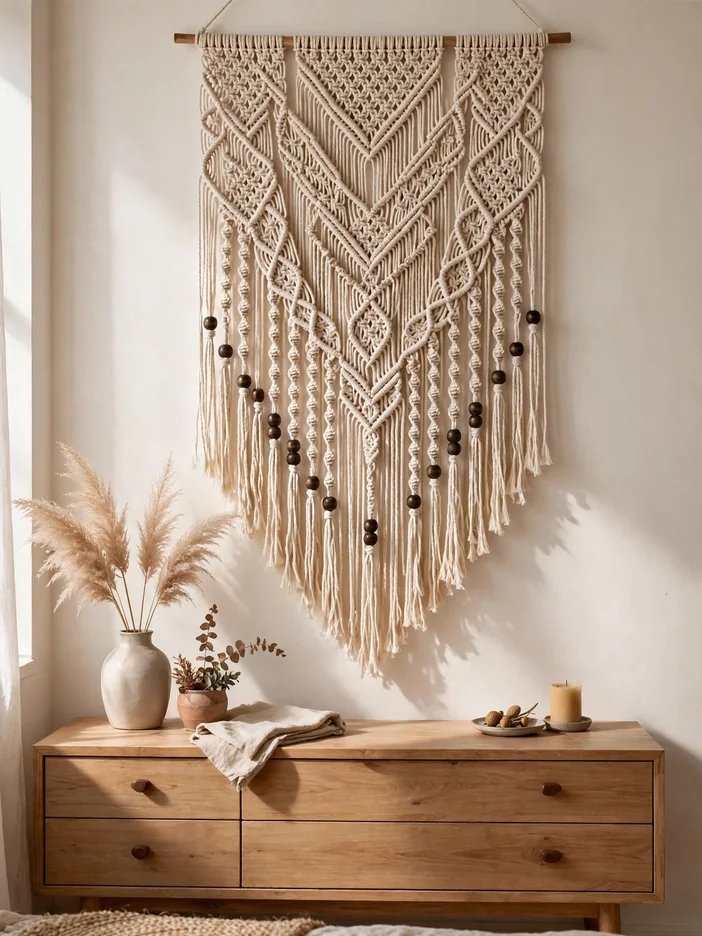
12. Hang a Macrame and Bead Wall Piece
Wall texture matters as much as sofa texture in afrobohemian home decor. A macrame hanging with wooden beads softens a hard wall and absorbs echo in bare rentals. Choose natural cotton cord with dark wood beads to echo the palette. Hang it on a solid wall where window glare will not fight it. A large piece fills vertical space without using one inch of floor.
Best for: Tall narrow walls and above low dressers.
Try this: Steam it lightly after unboxing so the cords hang straight from day one.
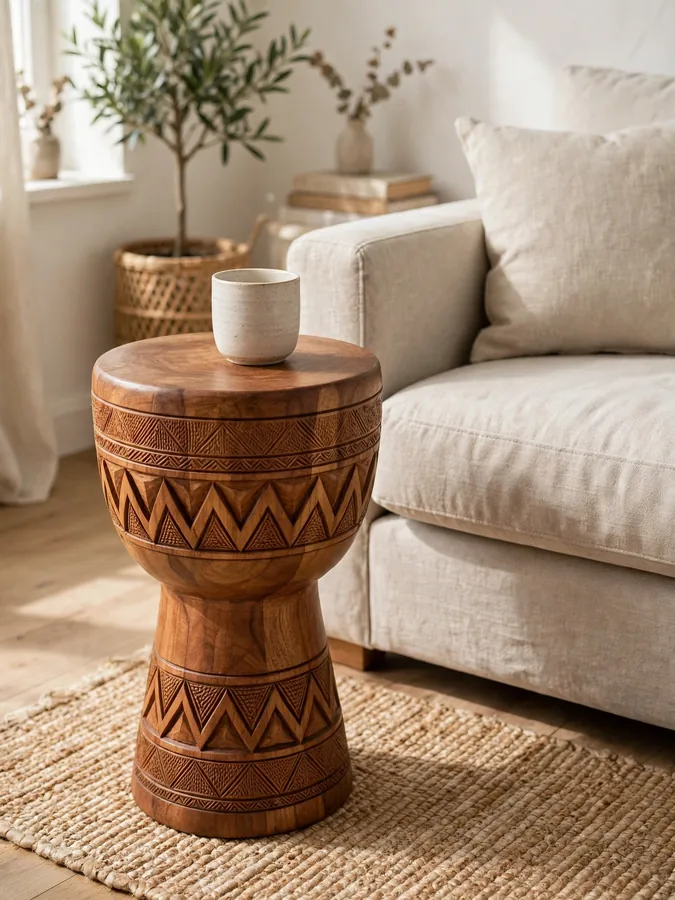
13. Use a Djembe Drum Table Beside the Sofa
A djembe-shaped side table brings music-culture energy and a silhouette no big-box store sells. The goblet shape holds drinks steadily while the carved base starts conversations. It weighs little, so you can pull it wherever guests land. In studios it can moonlight as a plant stand or nightstand. The drum form nods to West African craft without turning the room into a theme.
Best for: Studios and living rooms short on side tables.
Try this: Keep the top clear except for one object; the shape is the decoration.
14. Warm Up the Bed With an Aso-Oke Throw
Aso-Oke is a handwoven Yoruba strip cloth, traditionally made for ceremony. In burgundy, rust, or gold, a strip-woven throw turns plain bedding into something intentional. Fold it across the foot of the bed over white or cream sheets. The narrow strips create rhythm without the busyness of an all-over print. It layers well even in warm climates because the weave breathes. Treat one real handwoven piece as an investment.
Best for: Bedrooms with plain bedding that need one rich layer.
Try this: Pull one color from the throw for your pillows to make the room feel planned.
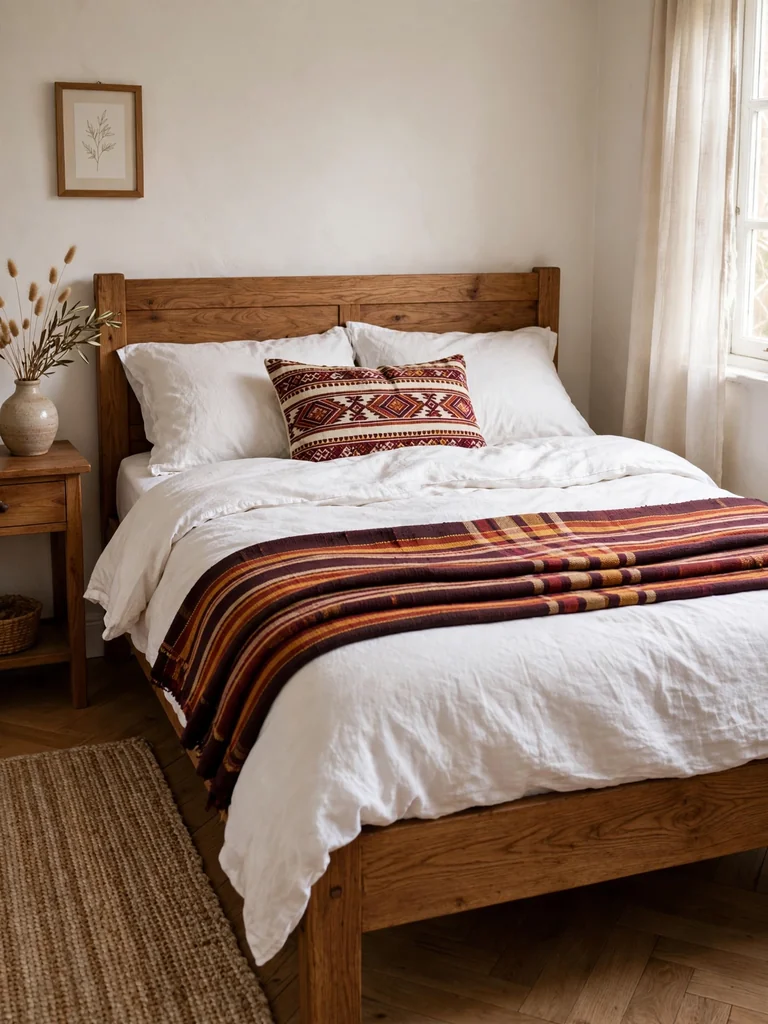
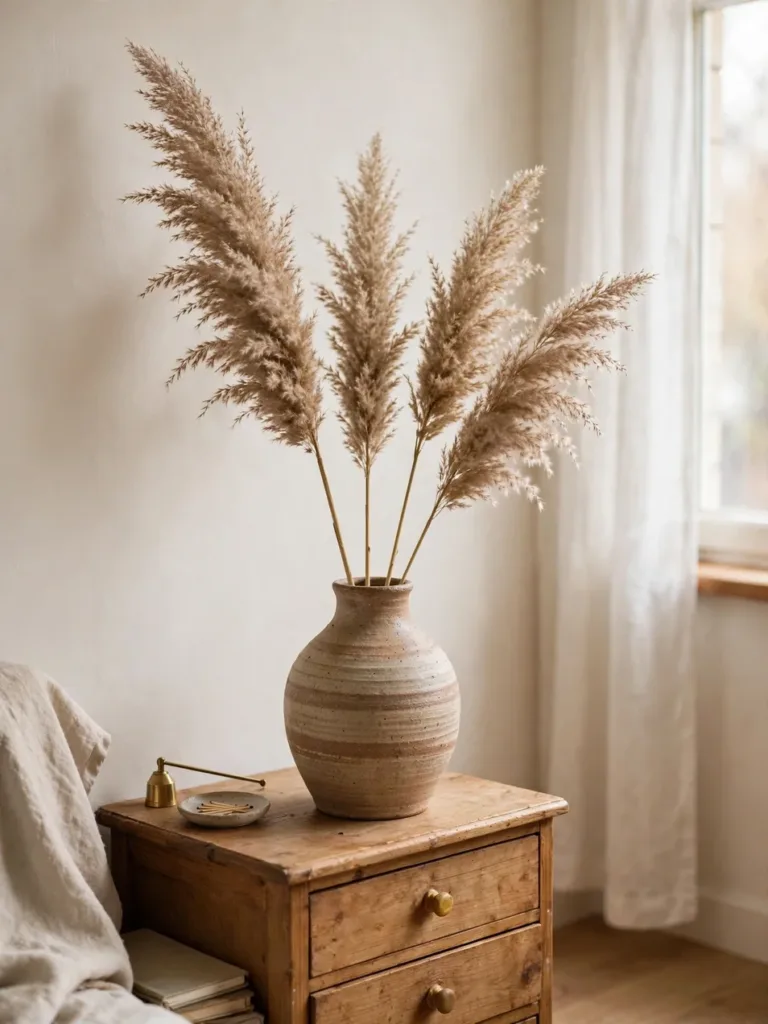
15. Style Pampas Grass in a Handmade Vase
Dried pampas grass is an afrobohemian home decor staple that adds height and softness with zero maintenance. Place three to five stems in a handmade ceramic vase on a dresser or console. The feathery plumes catch light and fill vertical space above low furniture. Choose a vase with visible throwing rings or an irregular rim to suit the organic mood. Keep stems out of direct sun so they do not fade gray. Shake them outside monthly to control shedding.
Best for: Dressers, consoles, and entryway tables.
Try this: Trim stems to varied heights so the bunch looks gathered, not manufactured.
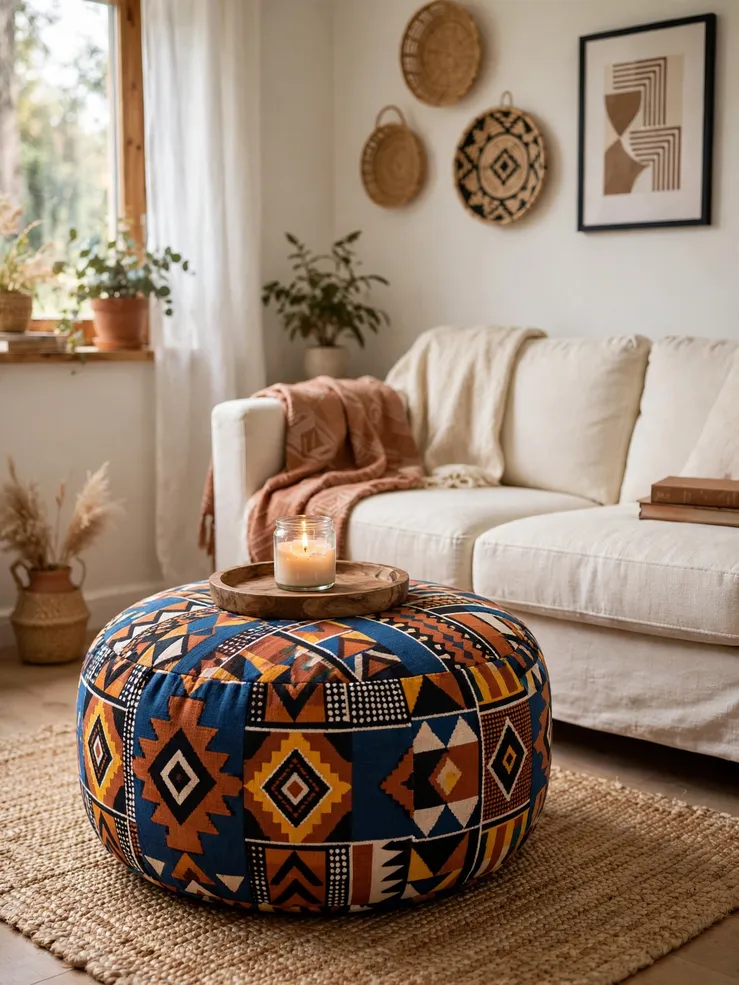
16. Toss Down a Patterned Pouf
A pouf is the hardest-working seat in a small apartment. It serves as footrest, extra seat, side table with a tray, and a soft spot for a laptop. Choose one in a bold African-inspired print to double as decor. Poufs tuck under consoles or into corners when not needed. Look for sturdy stitching and a removable cover for washing. In homes with kids or pets, a pouf outlasts a delicate ottoman.
Best for: Living rooms that host guests but lack chairs.
Try this: Buy the cover and fill separately; fill quality decides the comfort.
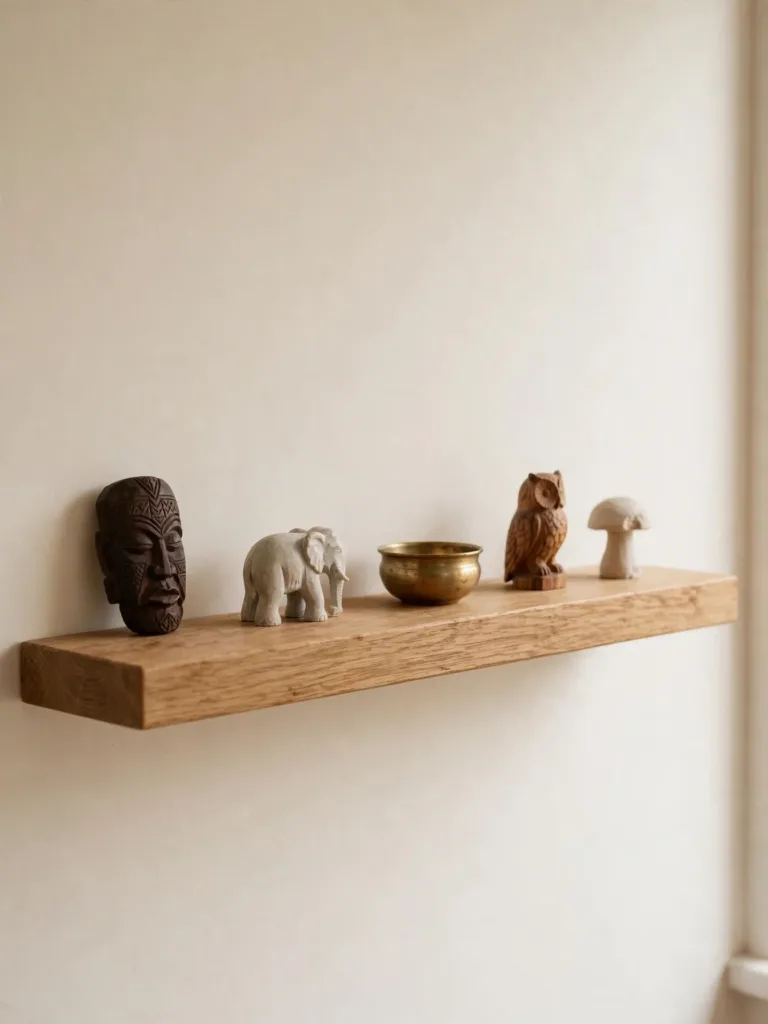
17. Build a Shelf Gallery of Carved Figures
Small carved figures, masks, and soapstone animals tell your story better than one large object can. Dedicate a floating shelf to a tight group of five to seven pieces. Vary heights and materials: dark wood, pale stone, brass. Leave breathing room between pieces so each one reads. This is where travel souvenirs and family pieces earn their keep. Dust monthly with a soft brush, since carved textures trap dust fast.
Best for: Collectors and anyone with meaningful small objects.
Try this: Photograph the arrangement before dusting so you can rebuild it exactly.
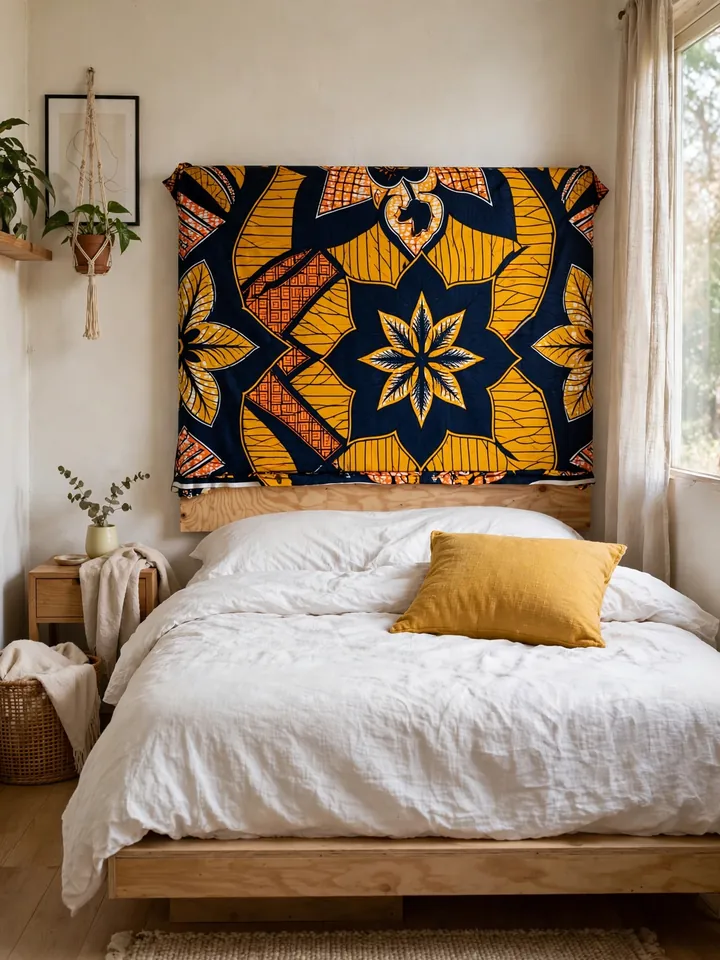
18. Upholster a Headboard Panel in Bold Textile
A fabric-covered headboard panel makes a bedroom focal point without a bulky frame. Wrap a 4-by-3-foot plywood panel in a bold African-print fabric and mount it with French cleats. The textile brings pattern to eye level where the room needs it most. This costs a fraction of an upholstered headboard and comes down cleanly when you move. Choose a large-scale motif so it reads from the doorway.
Best for: Bedrooms with plain walls and platform beds.
Try this: Pull one color from the fabric for your throw pillows to tie the room together.
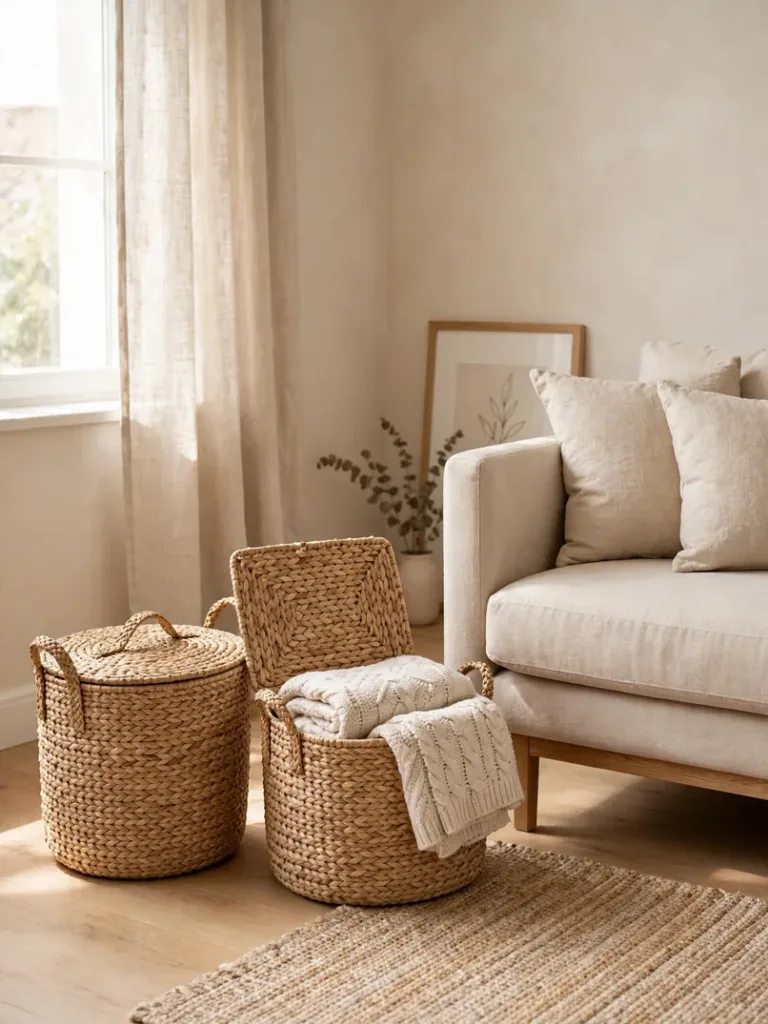
19. Corral Clutter in Lidded Woven Baskets
Layered afrobohemian home decor curdles into clutter without good storage. Lidded seagrass baskets hide chargers, remotes, and spare throws while adding texture. Place one beside the sofa, one under the console, one in the closet. Lids keep the look tidy even when the contents are not. Choose baskets with handles for easy carrying. Natural fibers breathe, so they suit blanket storage better than plastic bins.
Best for: Layered rooms that keep tipping into mess.
Try this: Label the inside of each lid with painter’s tape so the system survives guests.
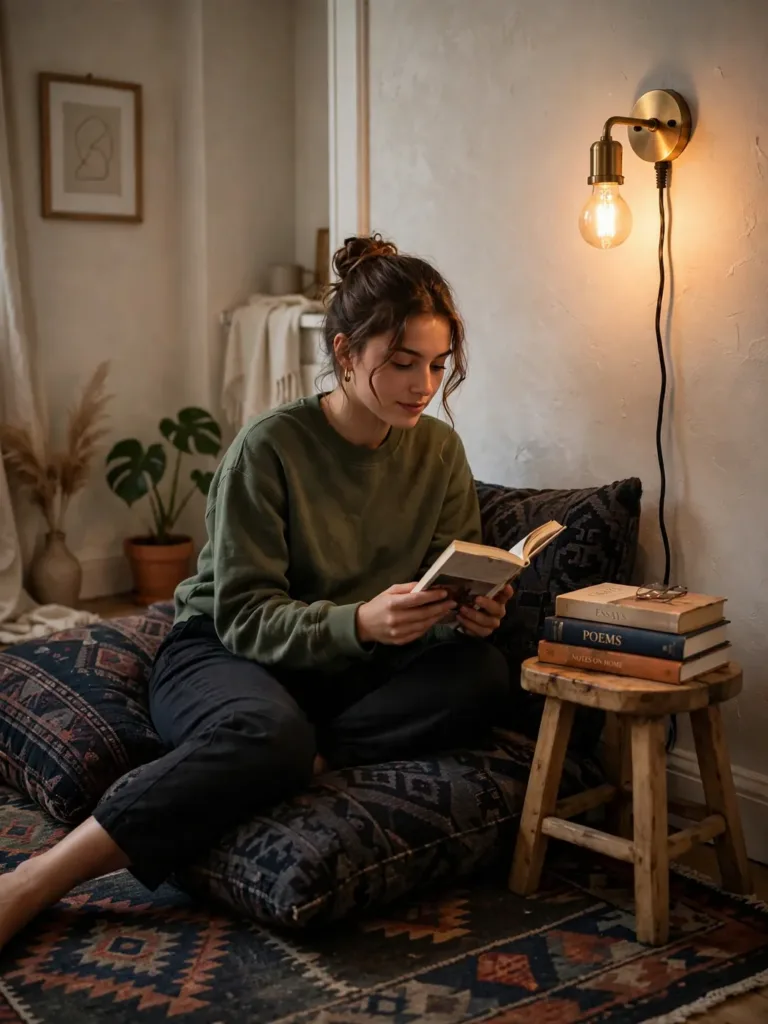
20. Make a Floor-Cushion Reading Corner
A reading corner needs only a corner, not a room. Layer a flat kilim rug, two large floor cushions, and a small stool in an unused corner. Add a plug-in wall sconce or clip light for reading. This setup costs little, moves in minutes, and gives a studio a distinct zone. Floor seating suits the relaxed spirit of the style. For a more built-out version, browse these cozy reading nook ideas for tiny apartments.
Best for: Studios, bedrooms, and renters who cannot add furniture.
Try this: Choose cushions with washable covers in dark patterns that hide wear.
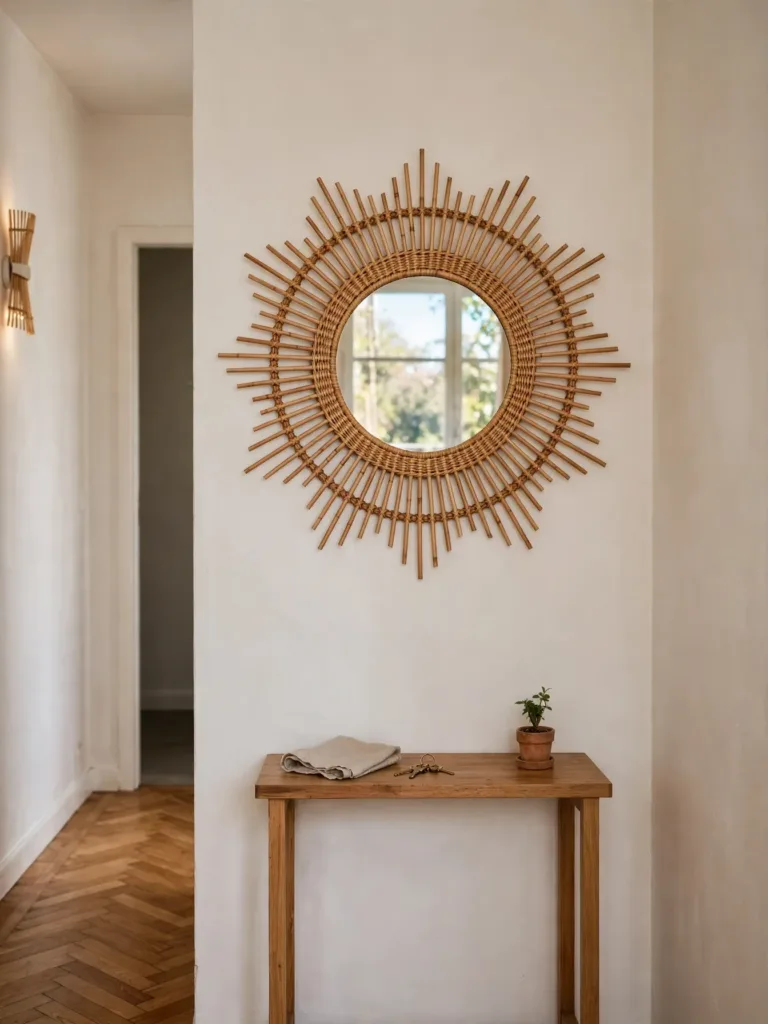
21. Bounce Light With a Natural-Frame Sunburst Mirror
Small rooms need light more than they need stuff. A sunburst mirror with a rattan or wood frame doubles window daylight. Hang it opposite or beside the window, never facing a blank wall. The radiating frame adds sculptural interest that flat mirrors lack. In dark rentals this one piece can lift a whole hallway. Keep the glass clean; a dusty mirror in a small room reads as gloom.
Best for: Dark hallways, entryways, and windowless corners.
Try this: Hang it so the center sits at your eye level for the truest reflection.
22. Set a Scent Corner With Labeled Candles
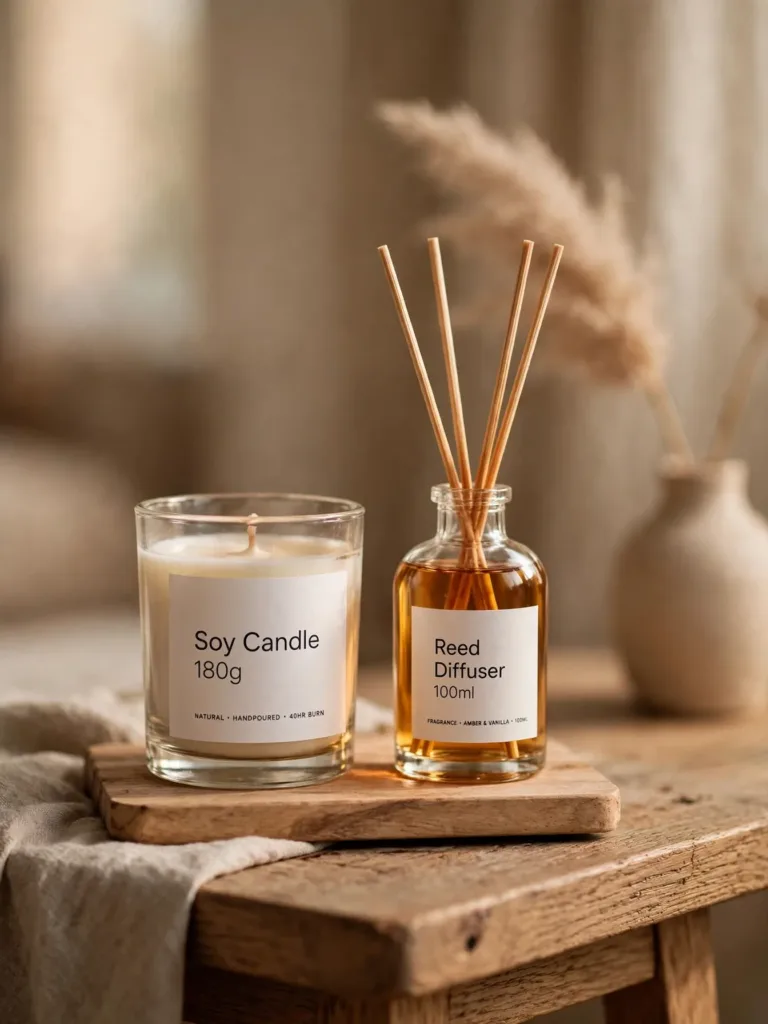
Scent finishes a room the way lighting does. Dedicate a small tray to candles with professional labels, like a soy candle 180g in sandalwood and a reed diffuser 100ml in vetiver. Honest, clean packaging suits the artisan spirit better than novelty jars. Choose woody, warm scents (sandalwood, amber, vetiver) that echo the earthy palette. One lit candle plus one unlit backup keeps the corner styled even when unused. Never leave a burning candle unattended, and keep flames clear of pampas grass.
Best for: Entryways, bathroom shelves, and bedside tables.
Try this: Burn a new candle two hours on first use so the wax melts evenly edge to edge.
How to Choose Your Textiles: A Quick Comparison
Four textiles carry most of the pattern in afrobohemian home decor. This table helps you match each one to the right spot.
| Textile | Origin | Look | Best Use | Price Note |
|---|---|---|---|---|
| Mudcloth (bogolan) | Mali | Black-and-white graphic symbols | Pillows, wall hangings | Authentic hand-dyed pieces cost more than prints |
| Kente | Ghana | Bright woven strips, symbolic | Table runners, throws | Handwoven kente is an investment; prints suit budgets |
| Adire | Nigeria (Yoruba) | Indigo tie-dye patterns | Throws, curtains | Mid-range; check the dye is set before use |
| Aso-Oke | Nigeria (Yoruba) | Strip-woven, often metallic | Bed throws, accent pieces | Priciest of the four; buy one piece as an anchor |
As a rough US guide as of fall 2026, expect printed pillows to stay affordable while handwoven pieces cost several times more; check current prices before budgeting, since costs vary by retailer and seller. Buy from sellers who name the weaver or cooperative when possible. Mass-market “African print” often copies these traditions without supporting the makers. One authentic piece teaches your eye what the real thing looks like.
Small-Space Rules That Keep the Layers From Looking Cluttered
Layering is the soul of afrobohemian home decor, but small rooms punish excess. Five rules keep it rich without tipping into chaos. First, style only two-thirds of any surface and leave the rest empty. Second, repeat each color at least three times across the room so patterns feel connected. Third, give every busy pattern a solid neighbor; a loud pillow needs a plain throw beside it. Fourth, vary the scale: mix one large print, one medium, one small, never three of one size. Fifth, edit monthly and pull one object that no longer earns its spot. Small rooms forgive a lot when every piece has breathing room.
FAQs
What Colors Define Afrobohemian Home Decor?
Warm earth tones lead: clay, rust, ochre, deep brown, and cream. Black accents ground the palette. Jewel pops like emerald or magenta appear in small doses through textiles and art.
Is Afrobohemian Home Decor Renter-Friendly?
Yes. The biggest moves need no drilling: pillows, throws, baskets, art leaned on shelves, plug-in lighting, and rugs. Use Command strips for light wall pieces and French cleats for heavier textile panels.
How Do I Keep Afrobohemian Decor From Looking Cluttered in a Small Apartment?
Style only two-thirds of each surface and leave the rest empty. Repeat colors across the room so patterns connect. Pair every busy pattern with a solid textile. Remove one object monthly that no longer earns its place.
Where Can I Buy Authentic African Textiles?
Look for artisan cooperatives, fair-trade sellers, and vintage textile dealers who name their weavers. Avoid suspiciously cheap machine-printed “African style” fabric, which rarely supports the makers. Estate sales and global markets are good hunting grounds too.
What Is the Difference Between Afrobohemian and Regular Bohemian Decor?
Afrobohemian centers African art, textiles, and craft traditions like mudcloth, kente, adire, and carved wood as its foundation. Regular bohemian pulls from many global sources with no single anchor. The African pieces give the room its structure and story.
Can Afrobohemian Home Decor Work in a Minimalist Apartment?
Yes, with a tight edit. Choose three to five strong pieces: one textile, one art print, one plant, one wooden object, one light fixture. The style’s warmth softens minimalism well. Keep surfaces mostly clear and let each piece breathe.
How Much Does It Cost to Start This Style?
Costs vary by retailer and whether you buy authentic or printed textiles, so check current prices first. As a rough US guide as of fall 2026, printed pillows and baskets stay affordable, while one authentic handwoven throw is the priciest single piece. Start with pillows and baskets.
Final Thoughts
Afrobohemian home decor rewards patience more than spending. Buy one textile you love, live with it for two weeks, then choose the next piece to answer it. Small rooms gain the layered warmth that makes guests ask where everything came from. Start tonight: pick the idea from this list that fits the corner you see first each morning, and thrift or order that one piece this week.